pl
pl
 en
en

Sri Lanka - SPIS Jezyk ANGIELSKI
Junglefowl- introductory text from the expedition to Sri Lanka.
Newly created galleries:
BIRDS:
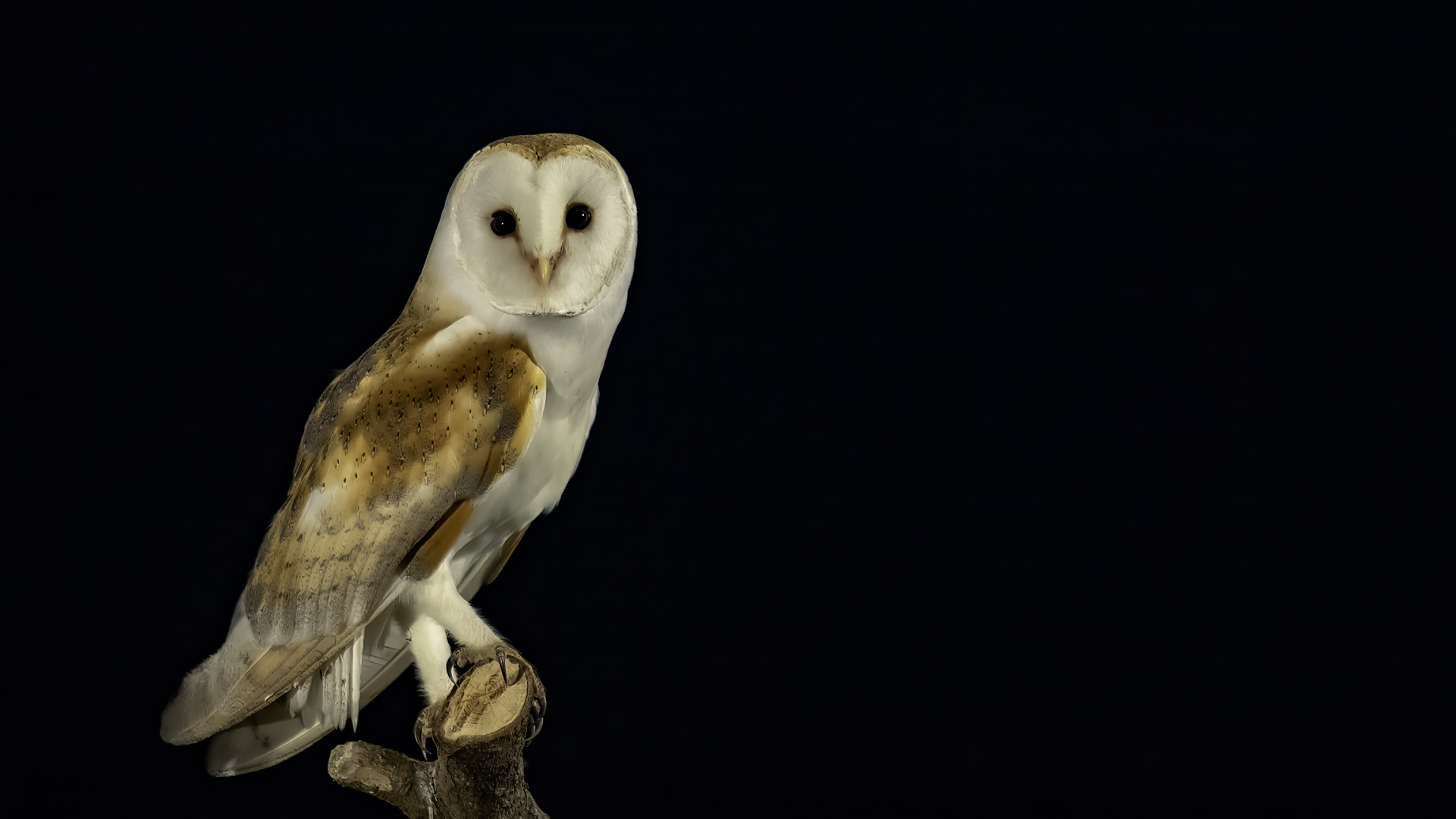
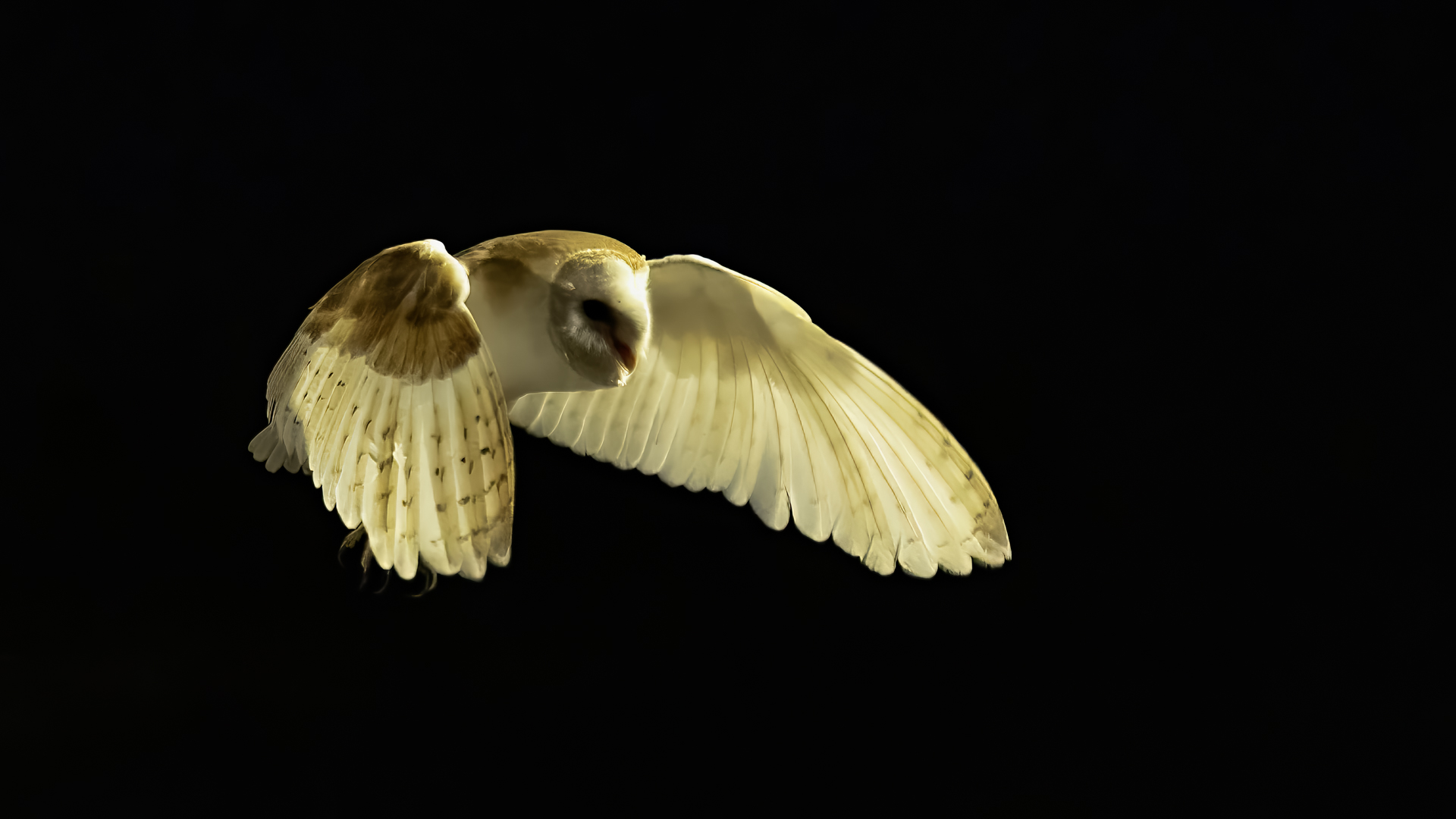
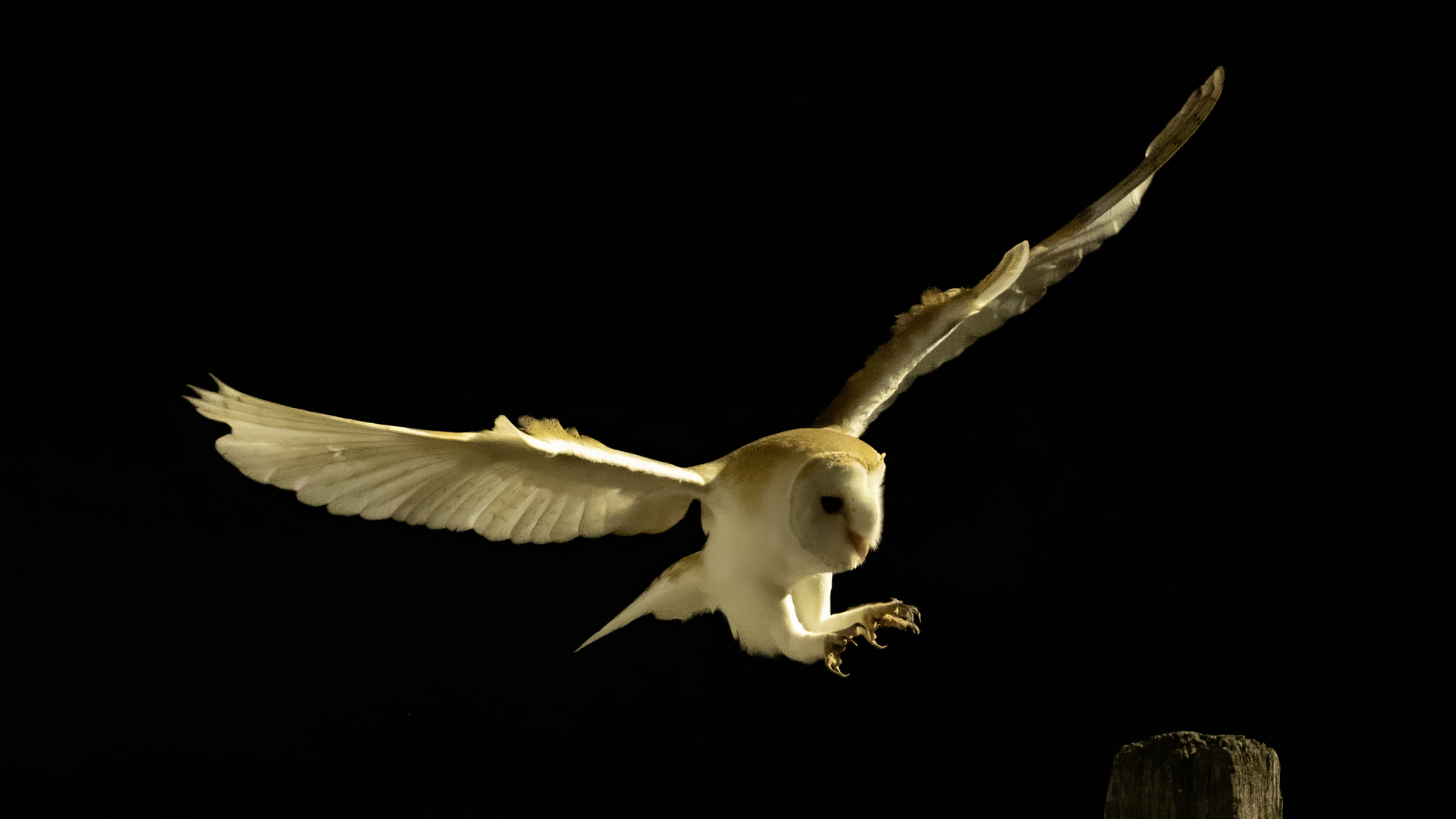
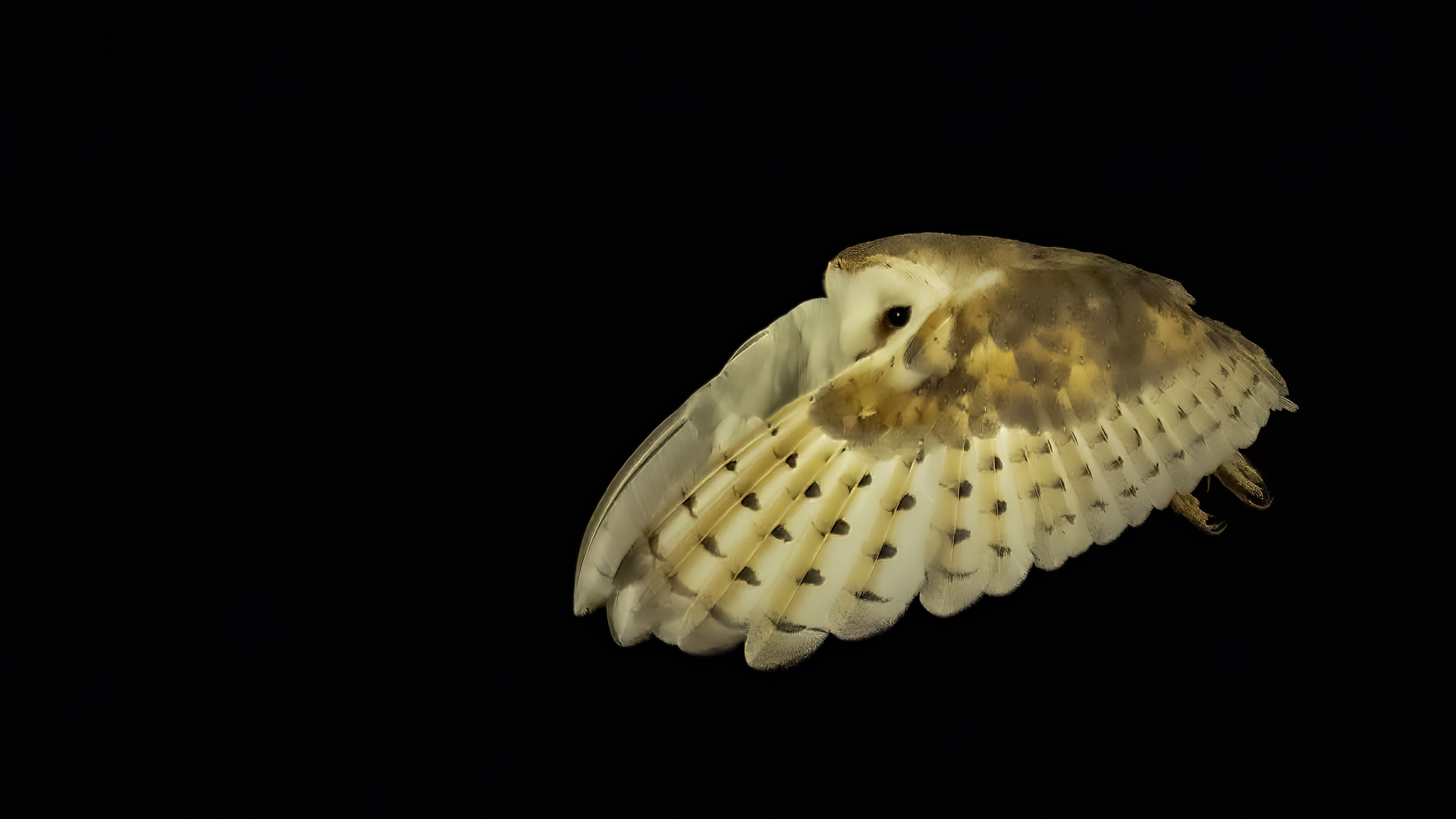
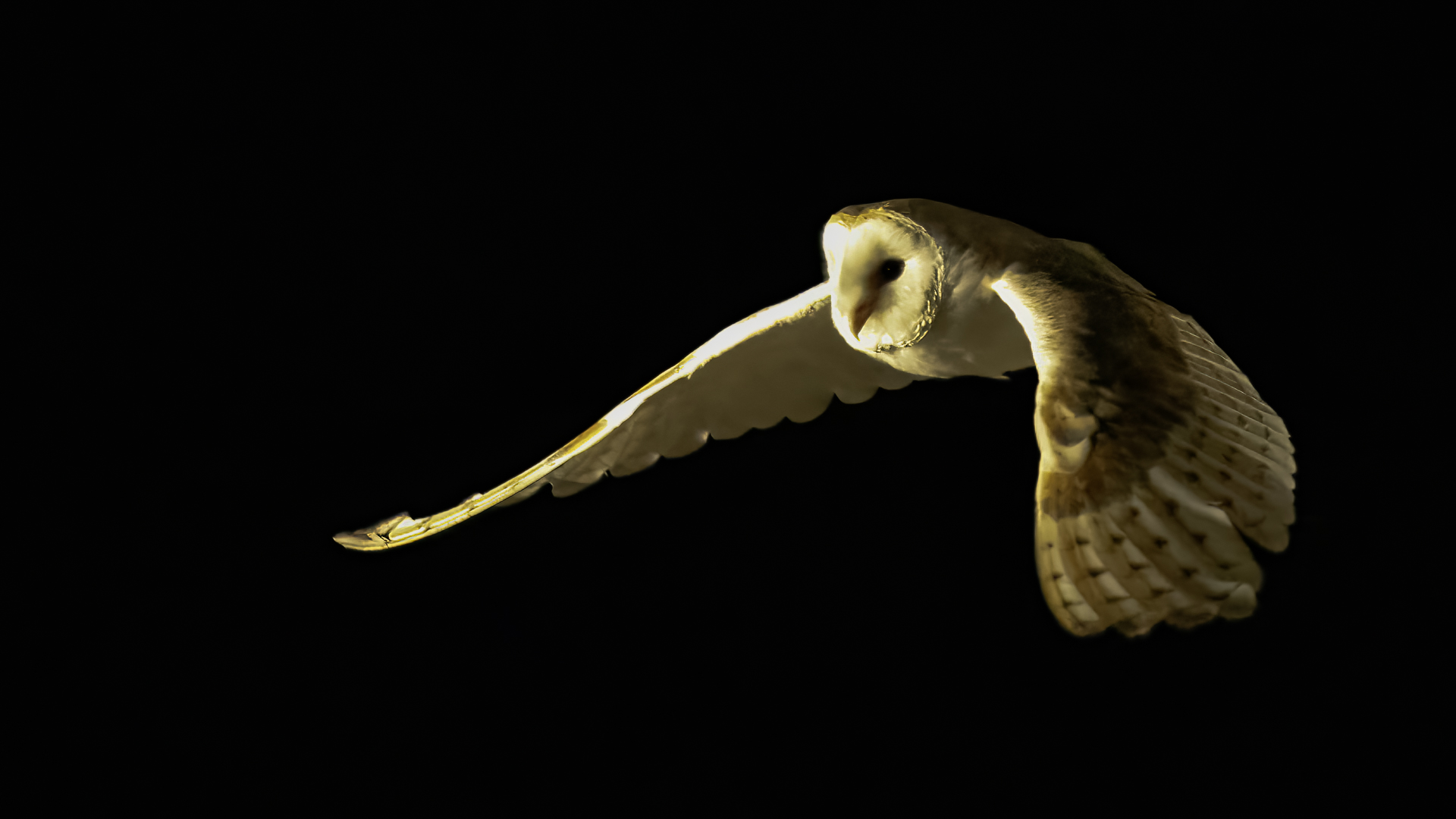
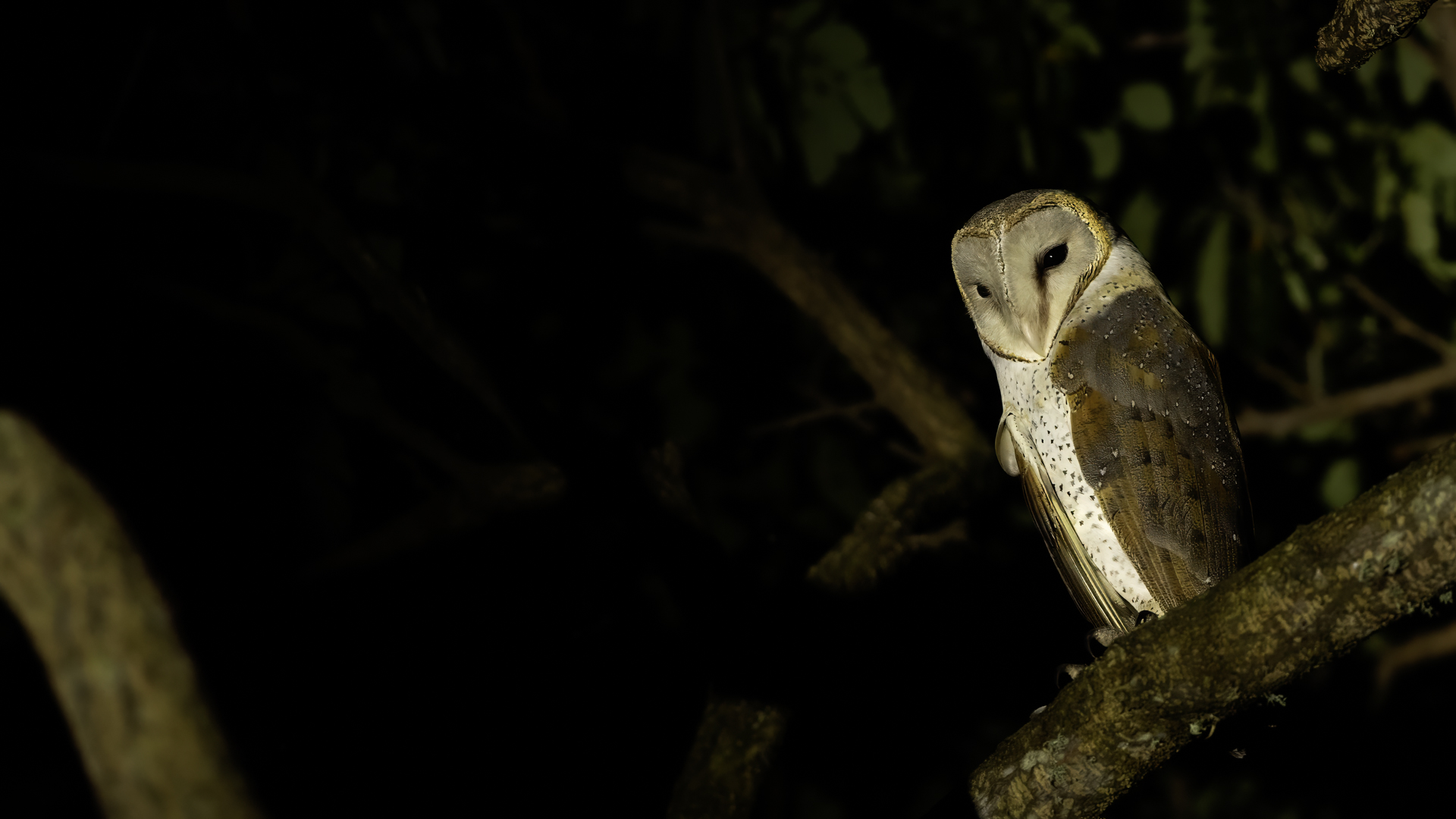
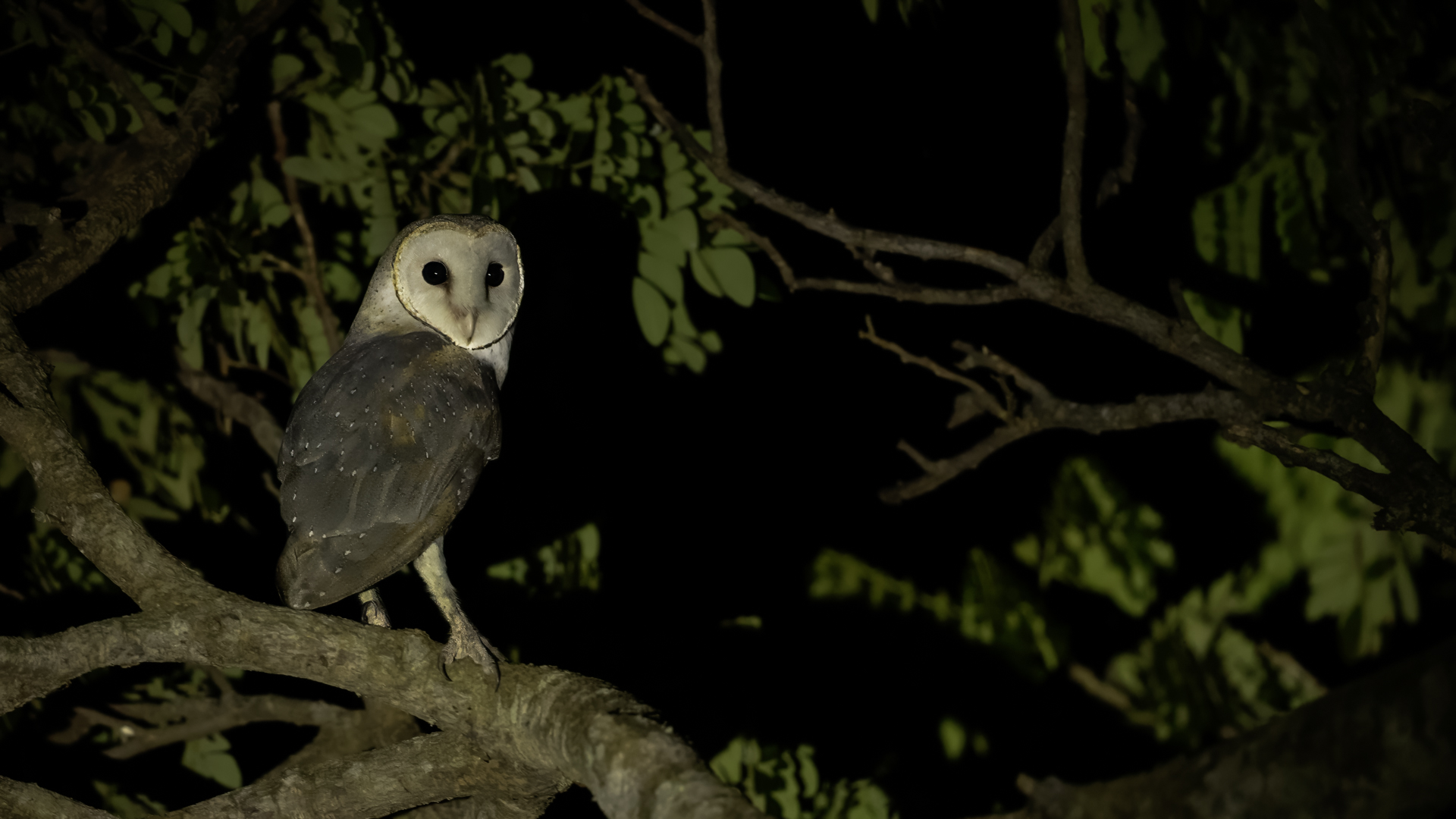
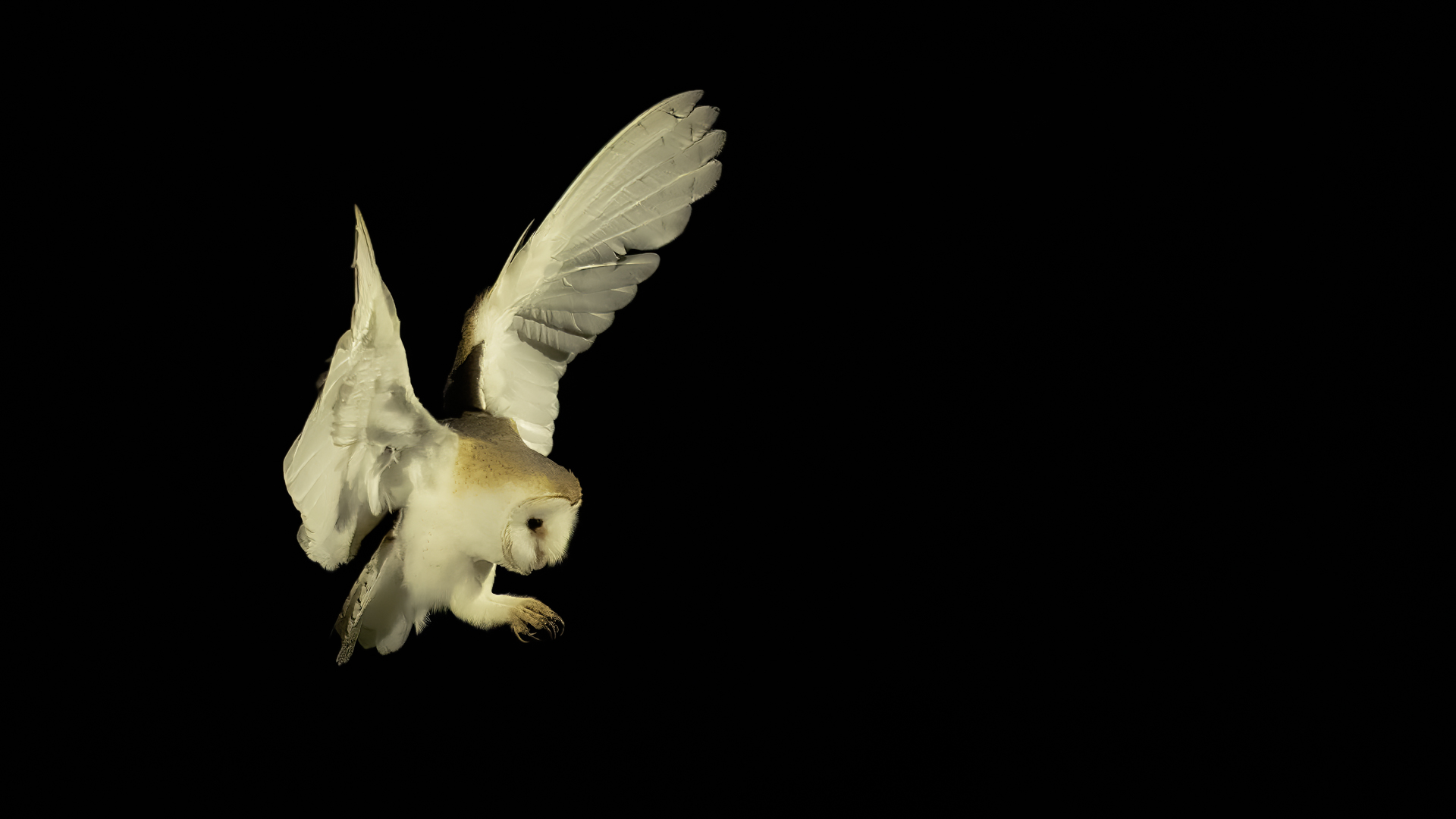
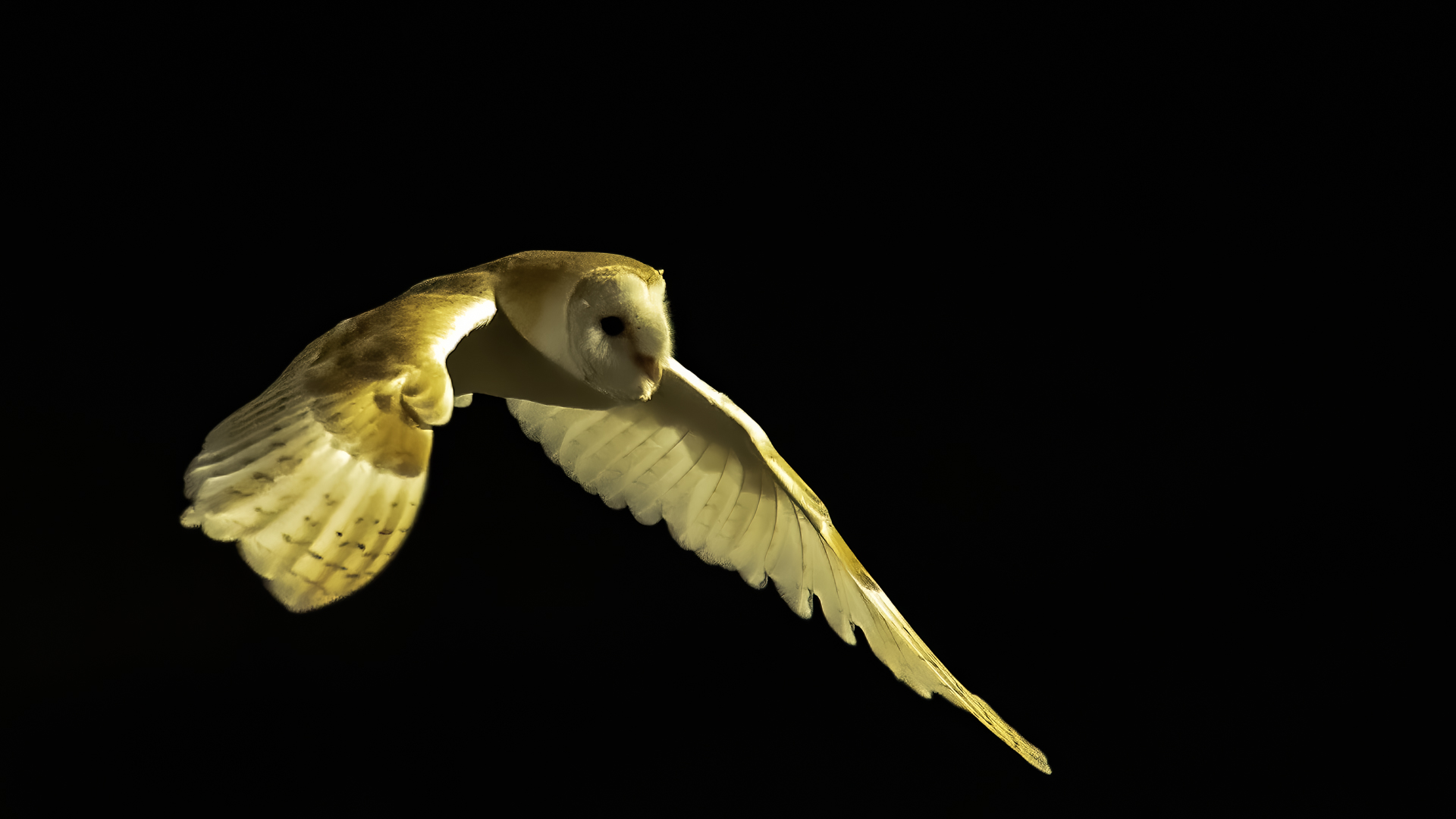
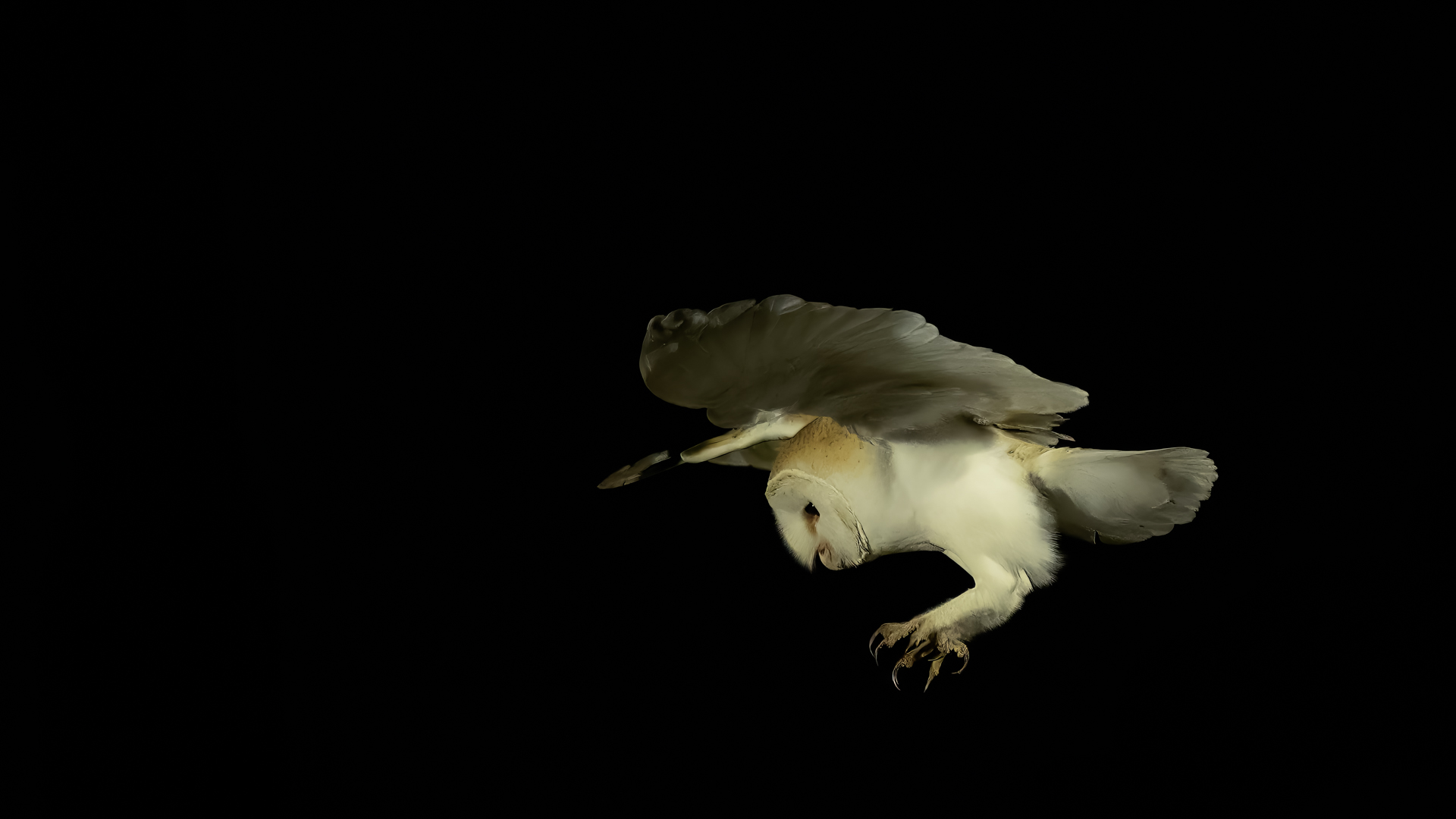
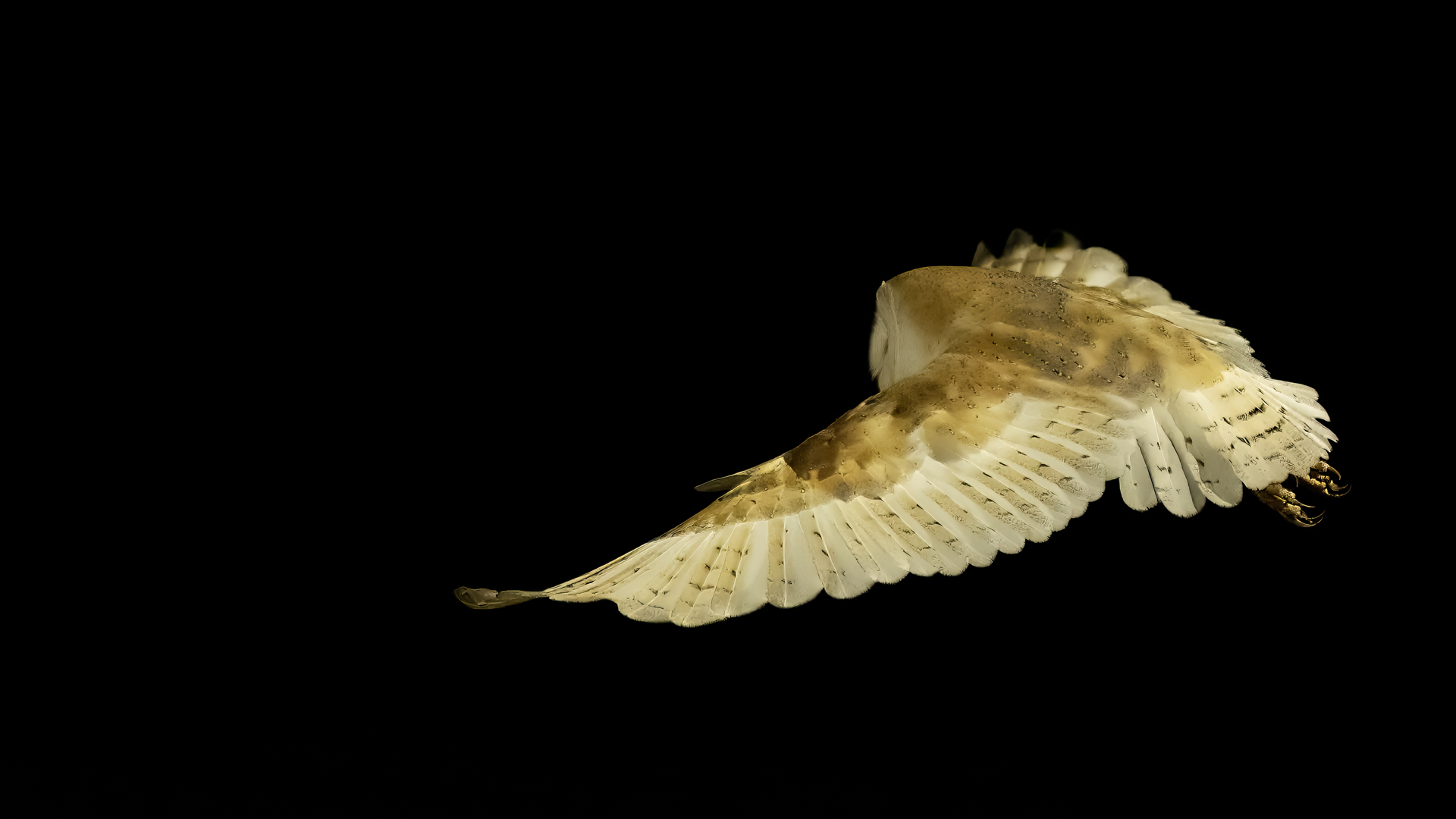
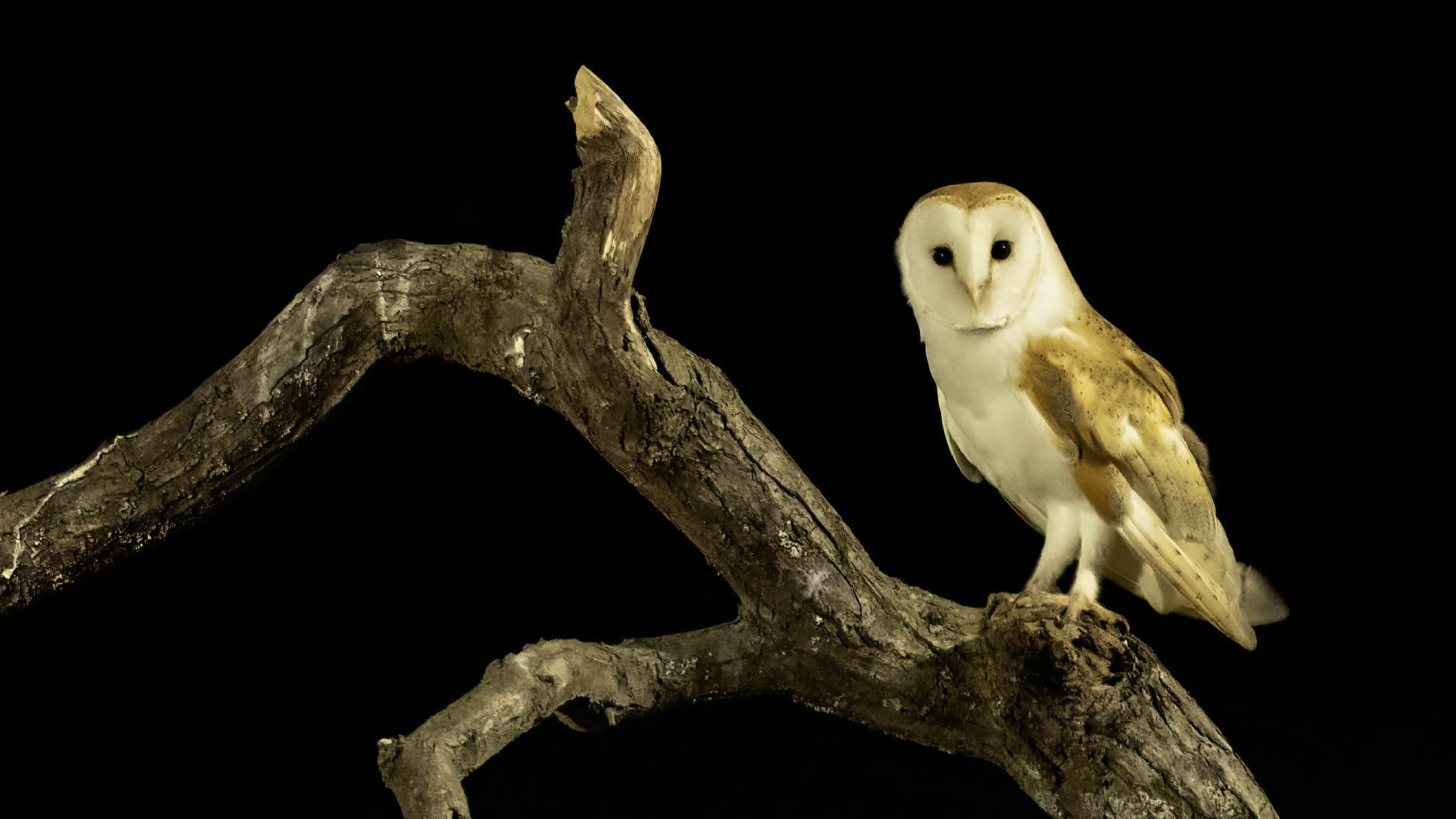
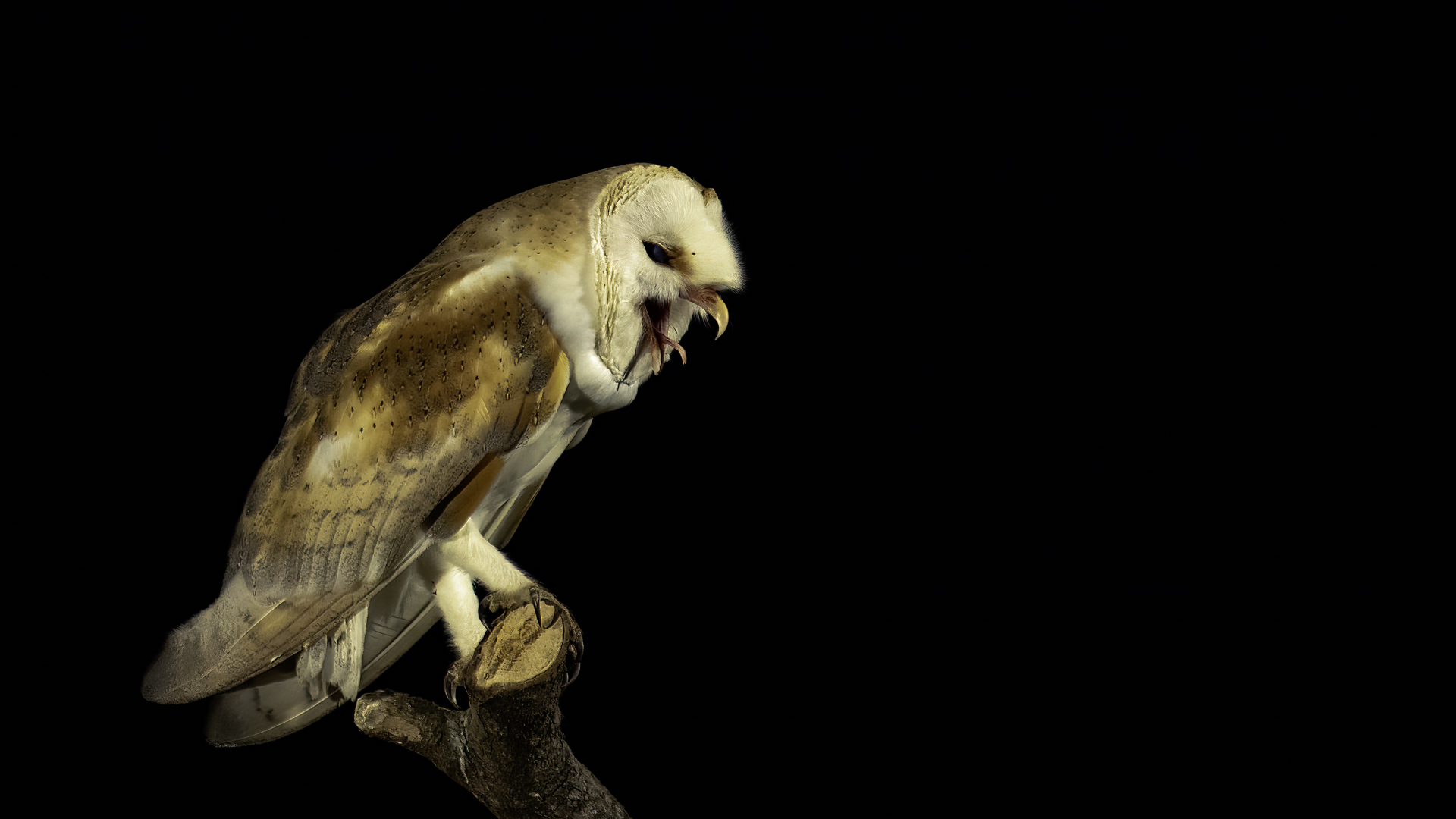
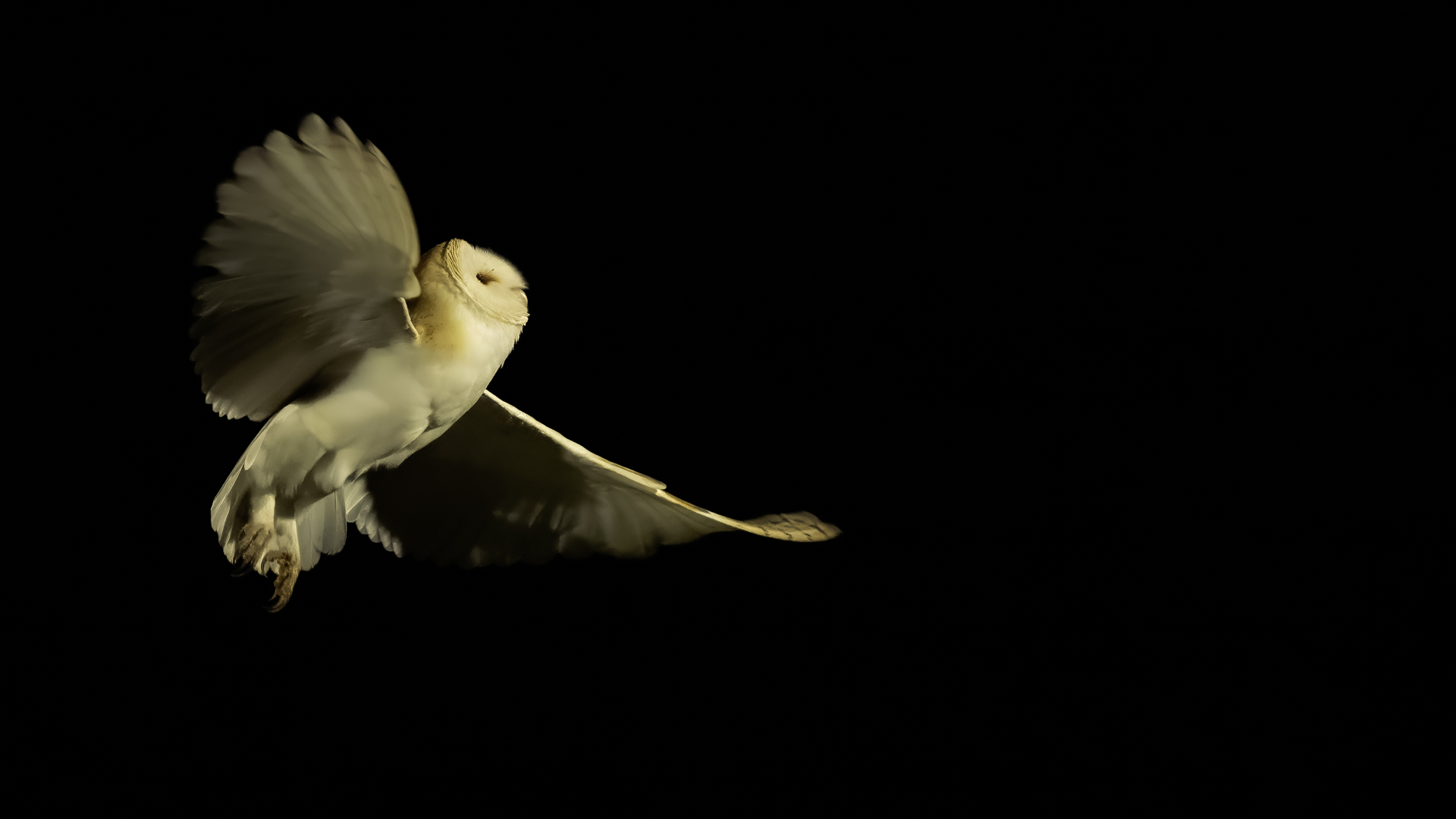
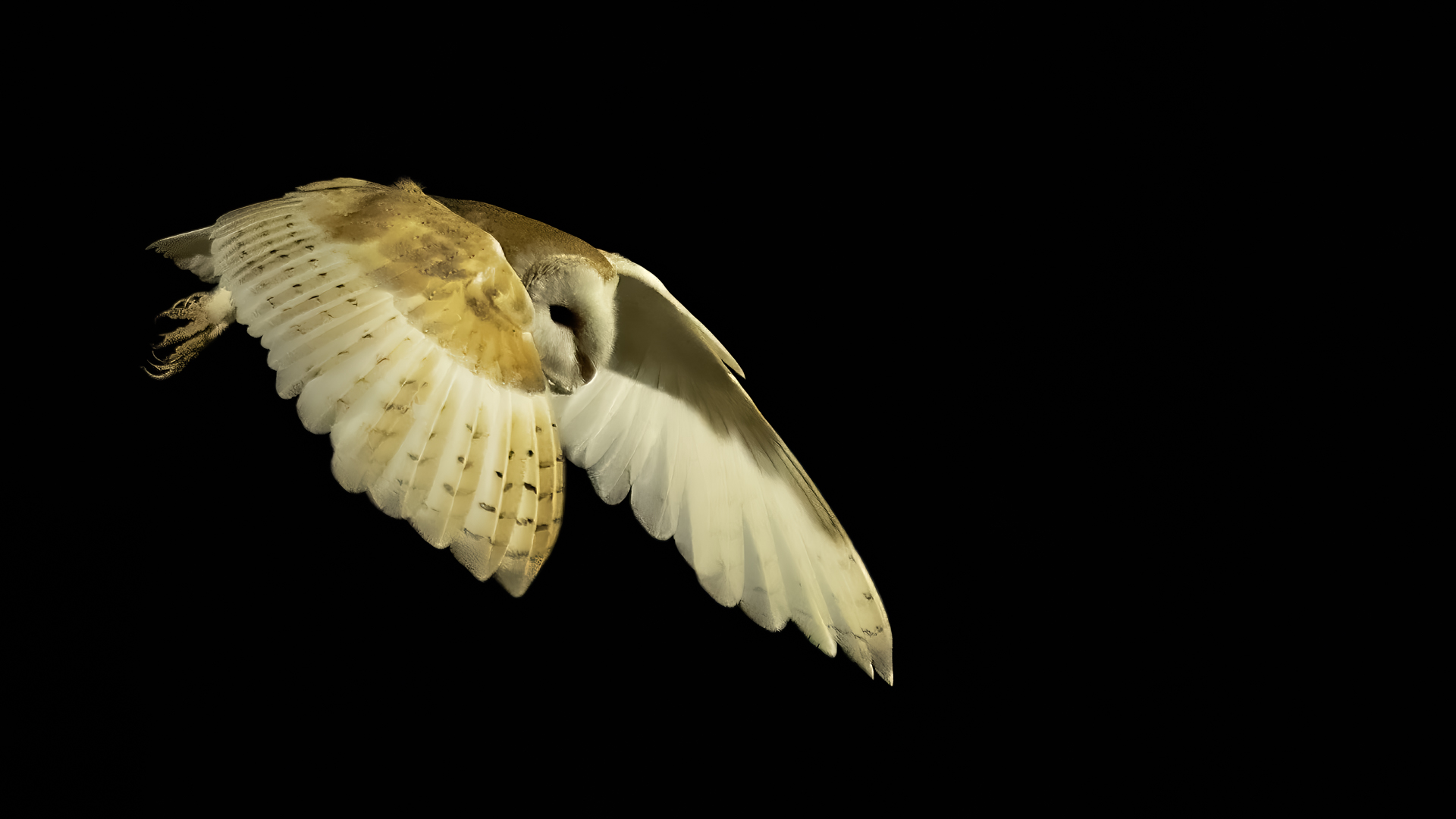
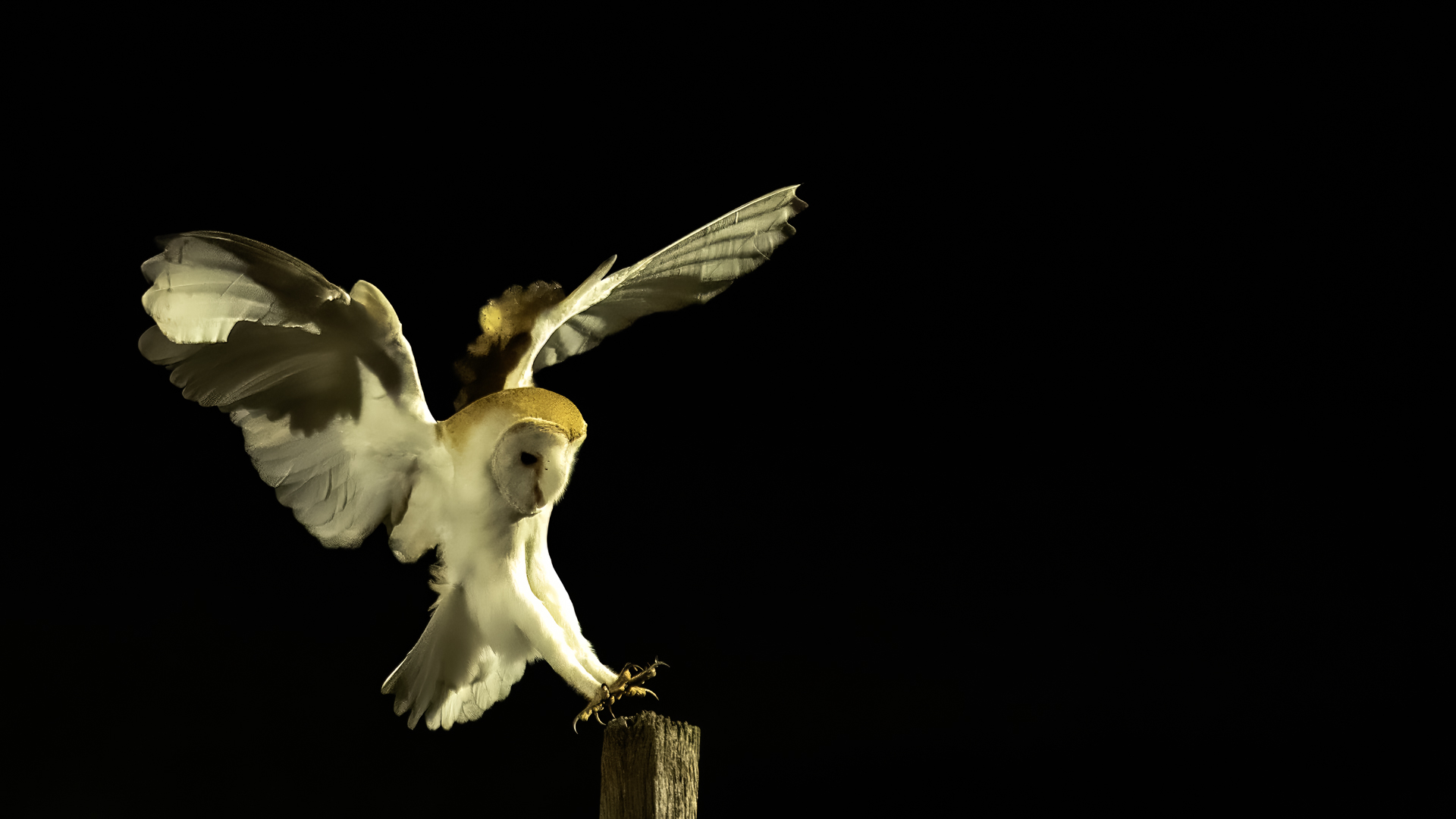
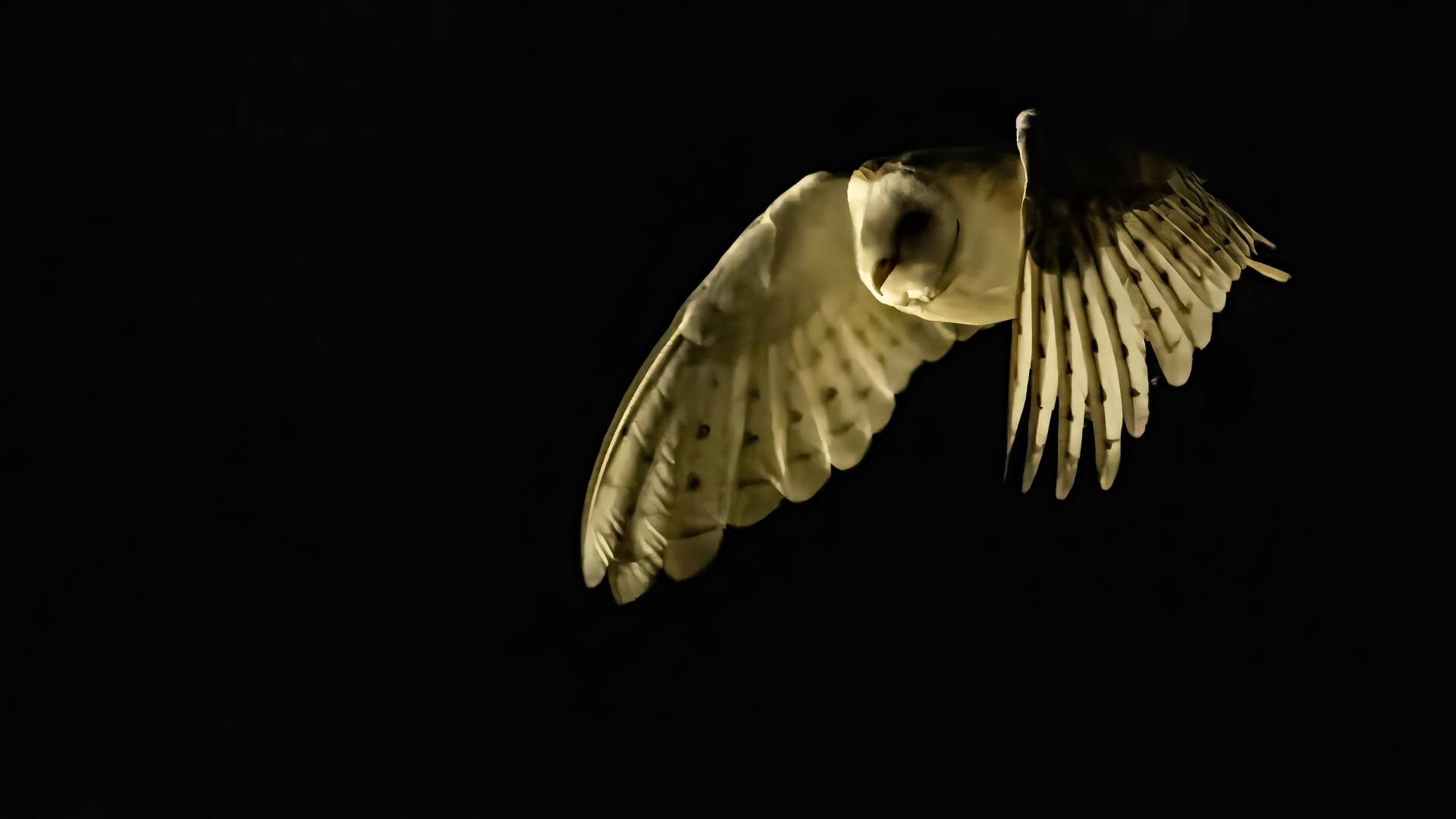
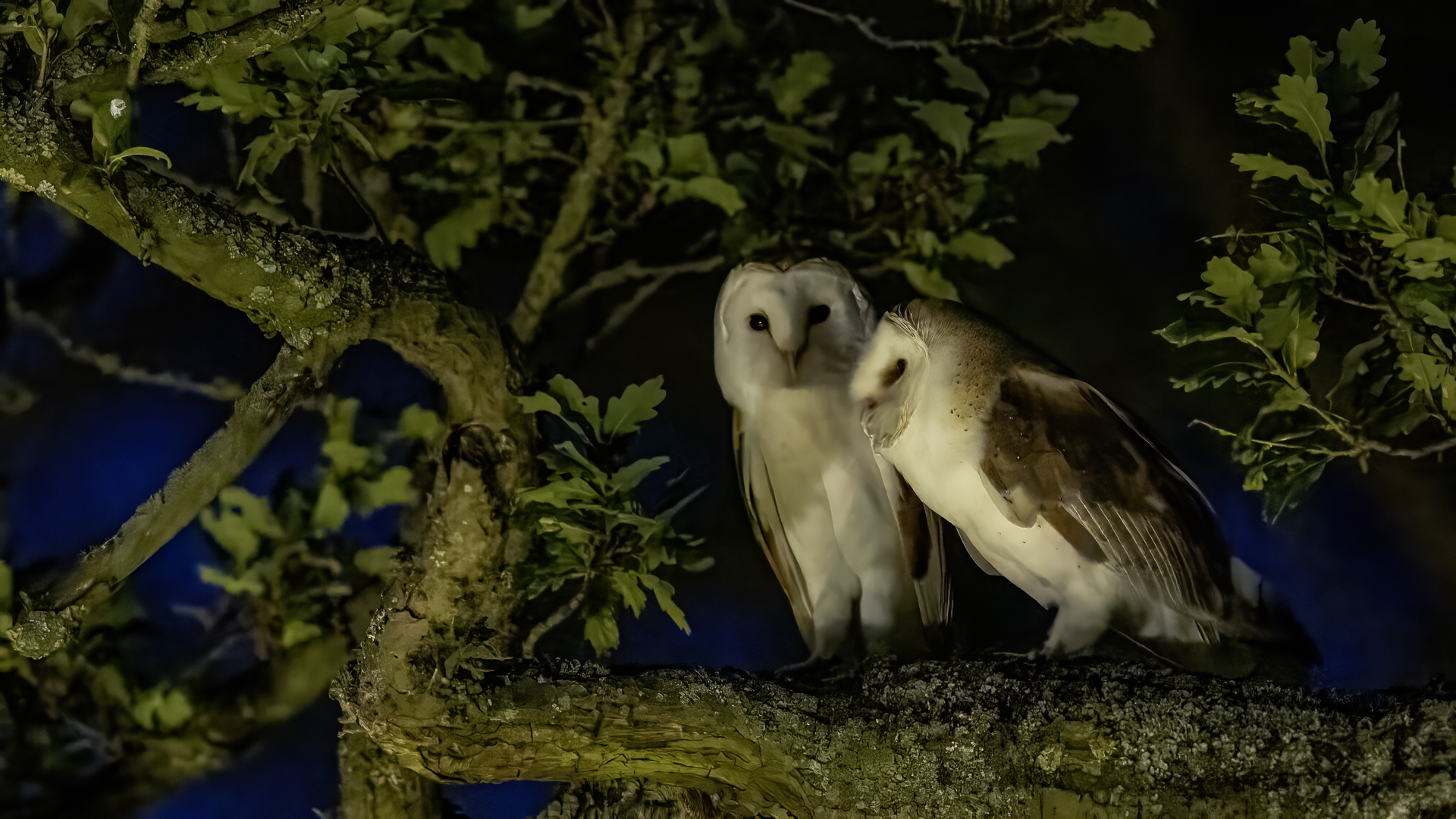
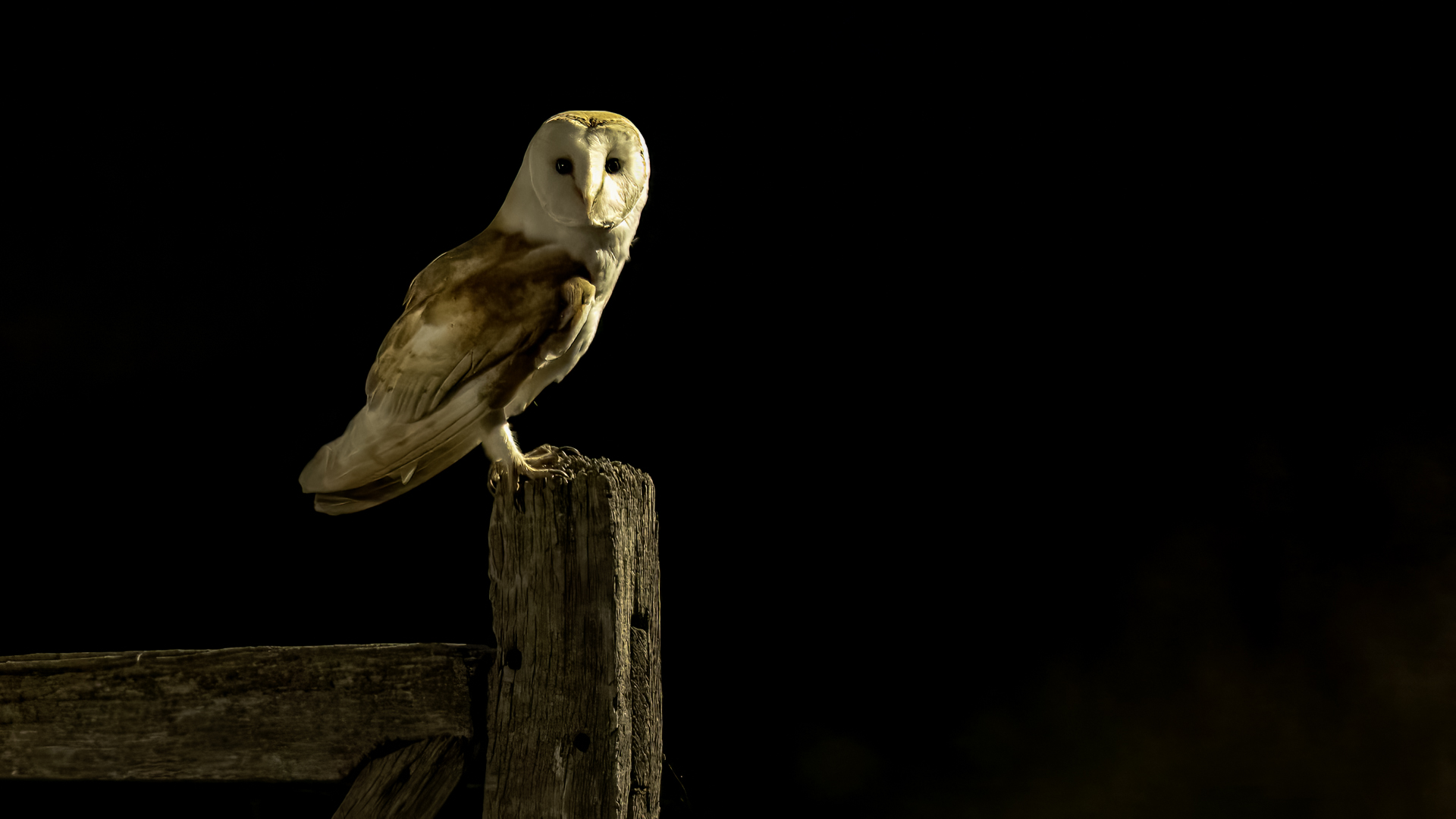
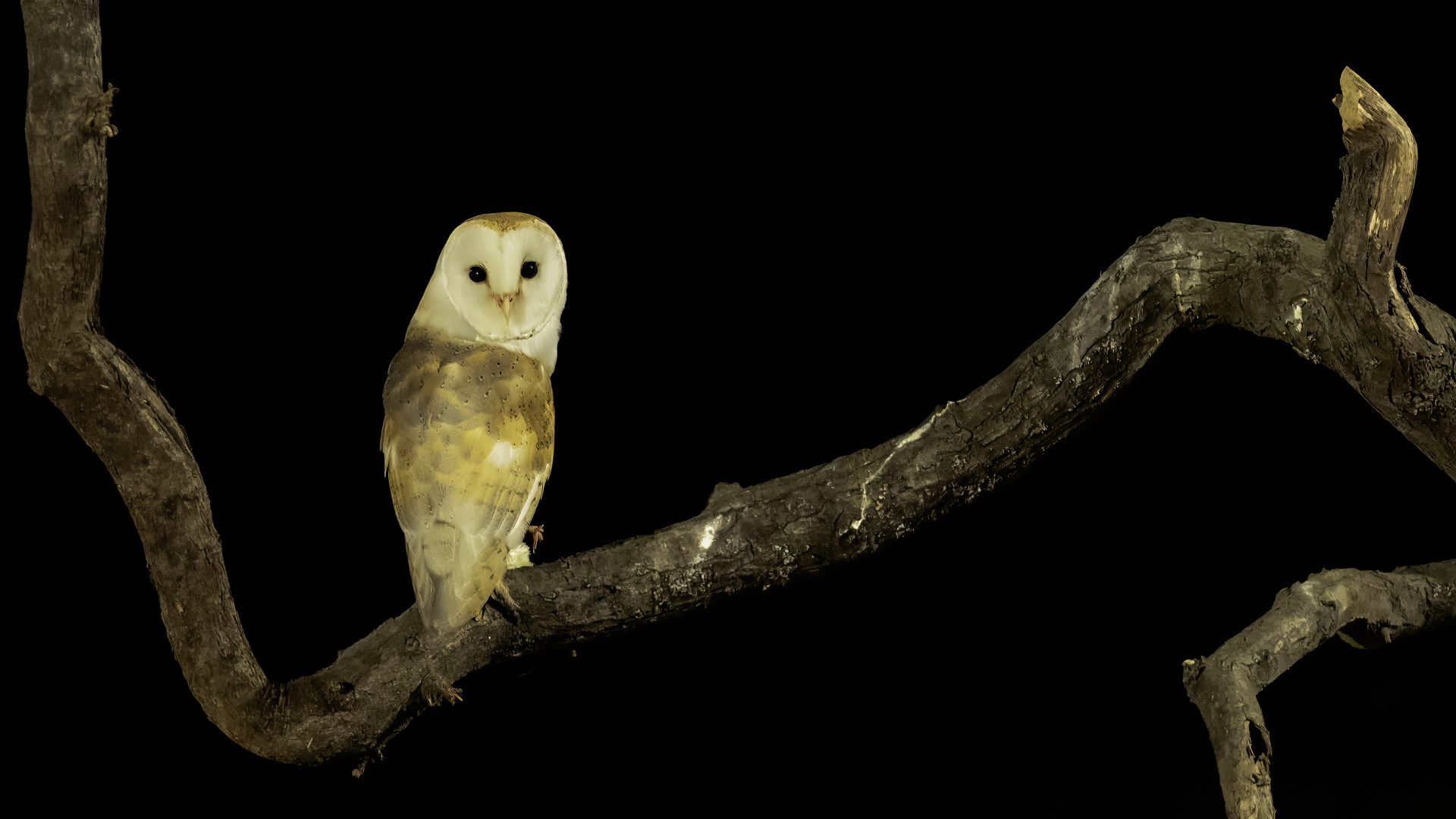
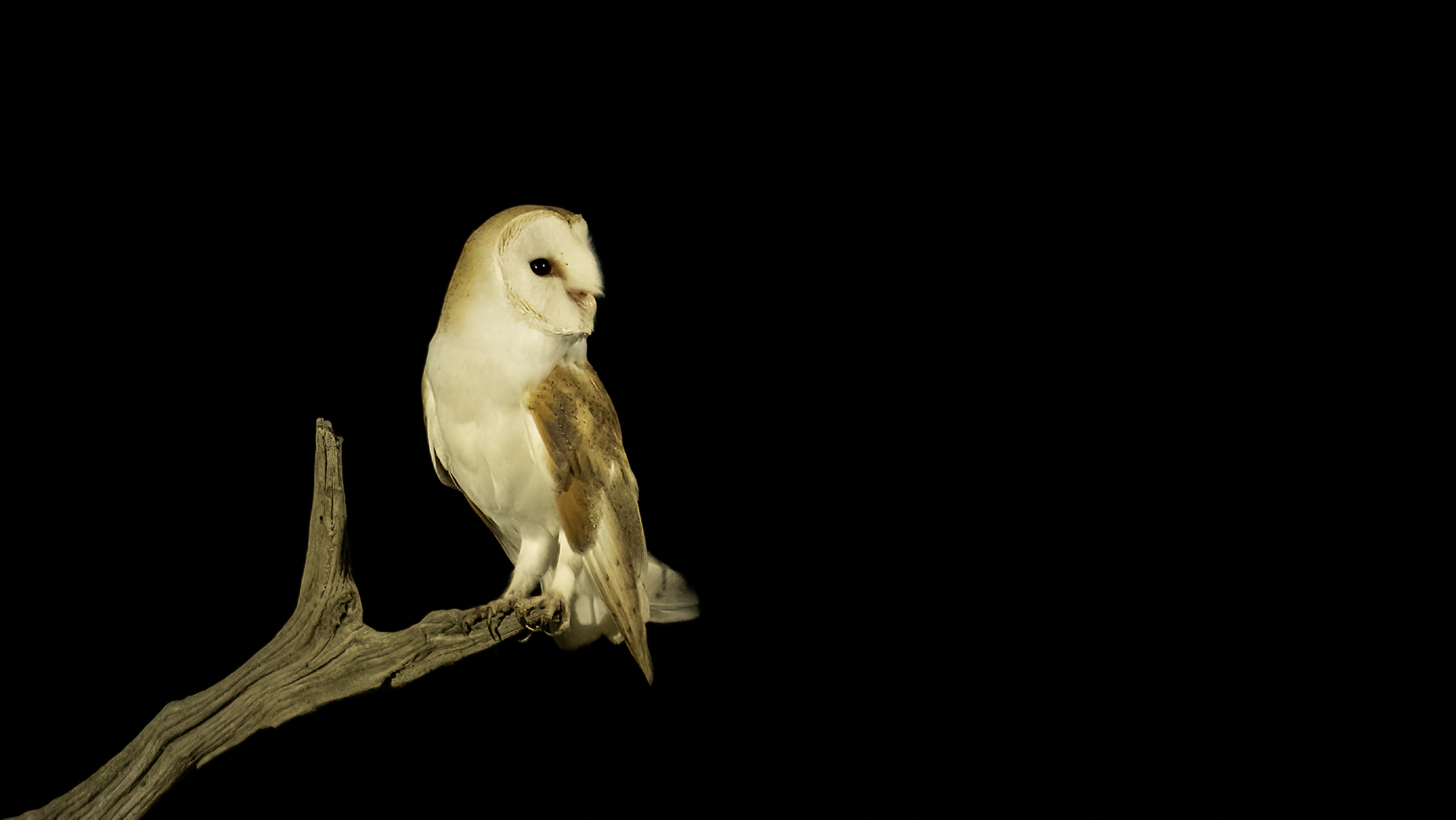
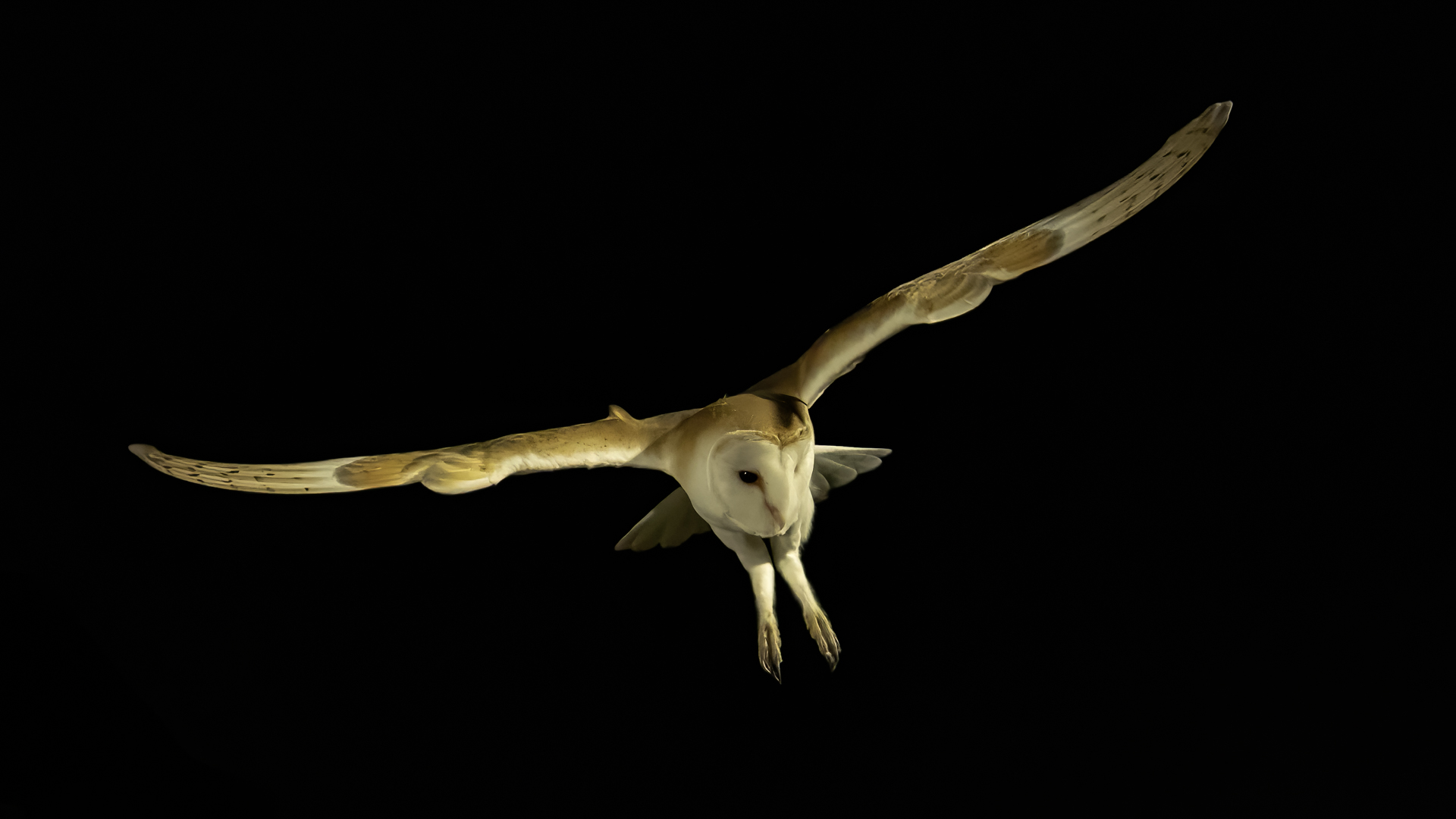
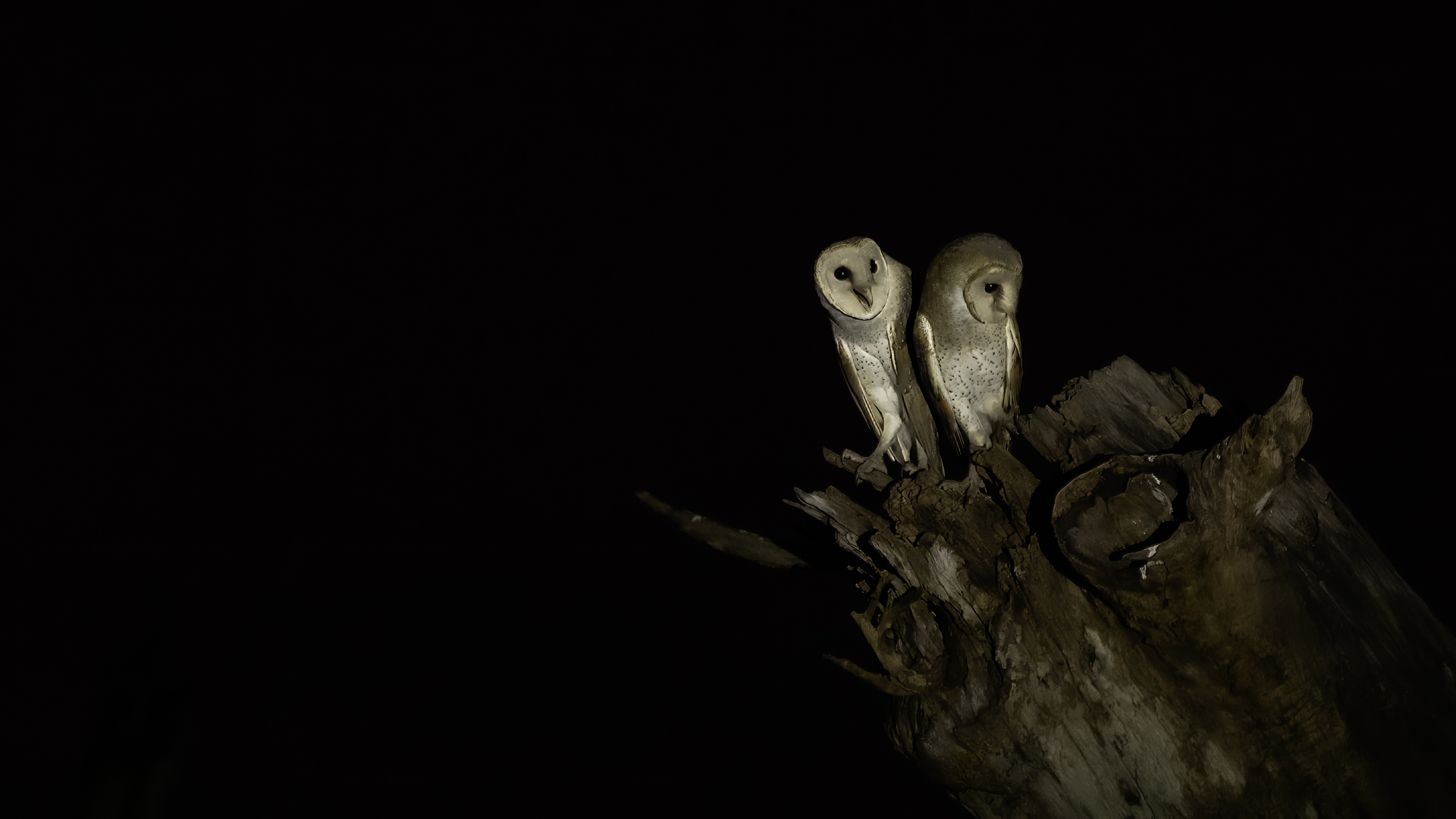
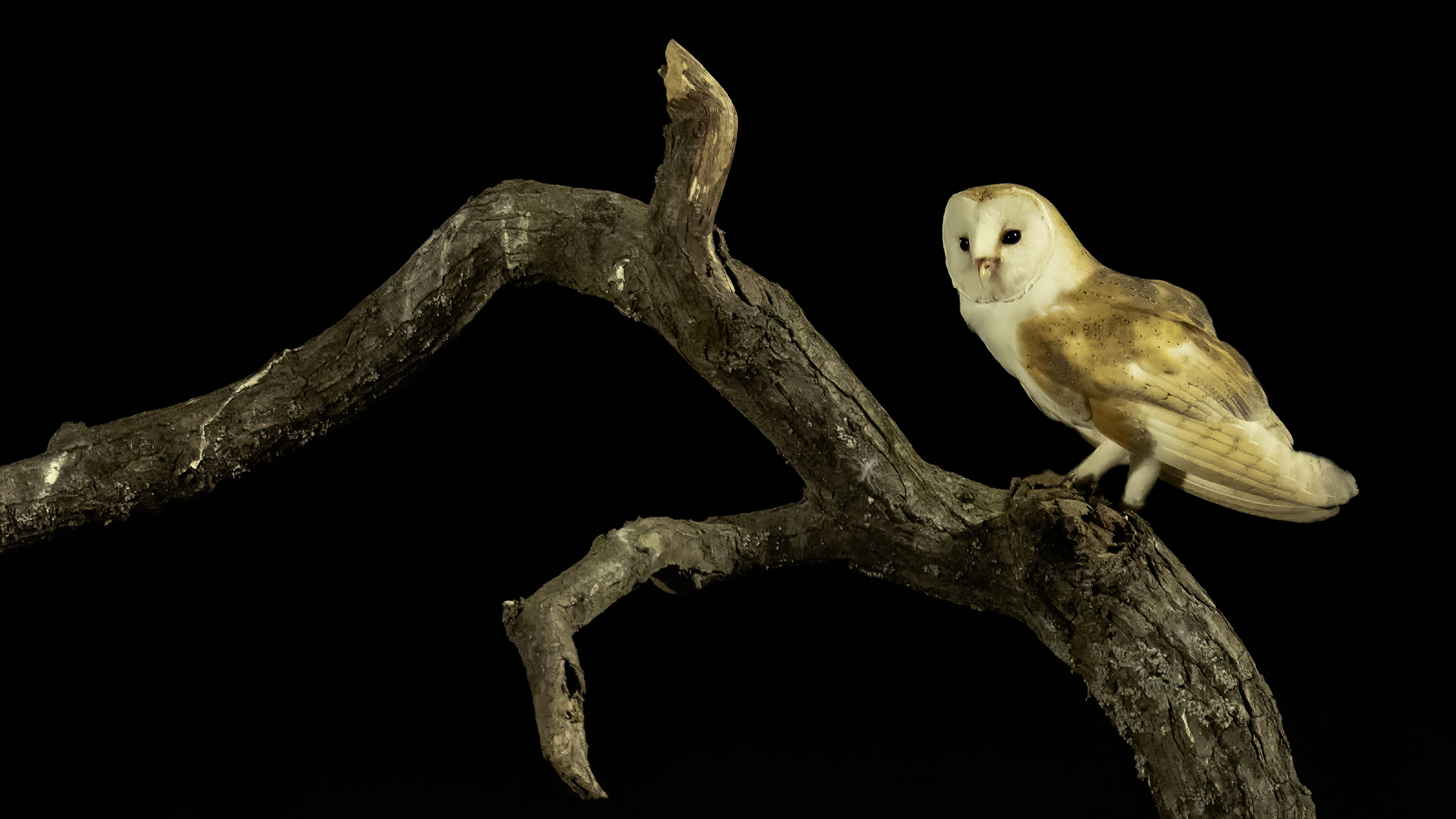
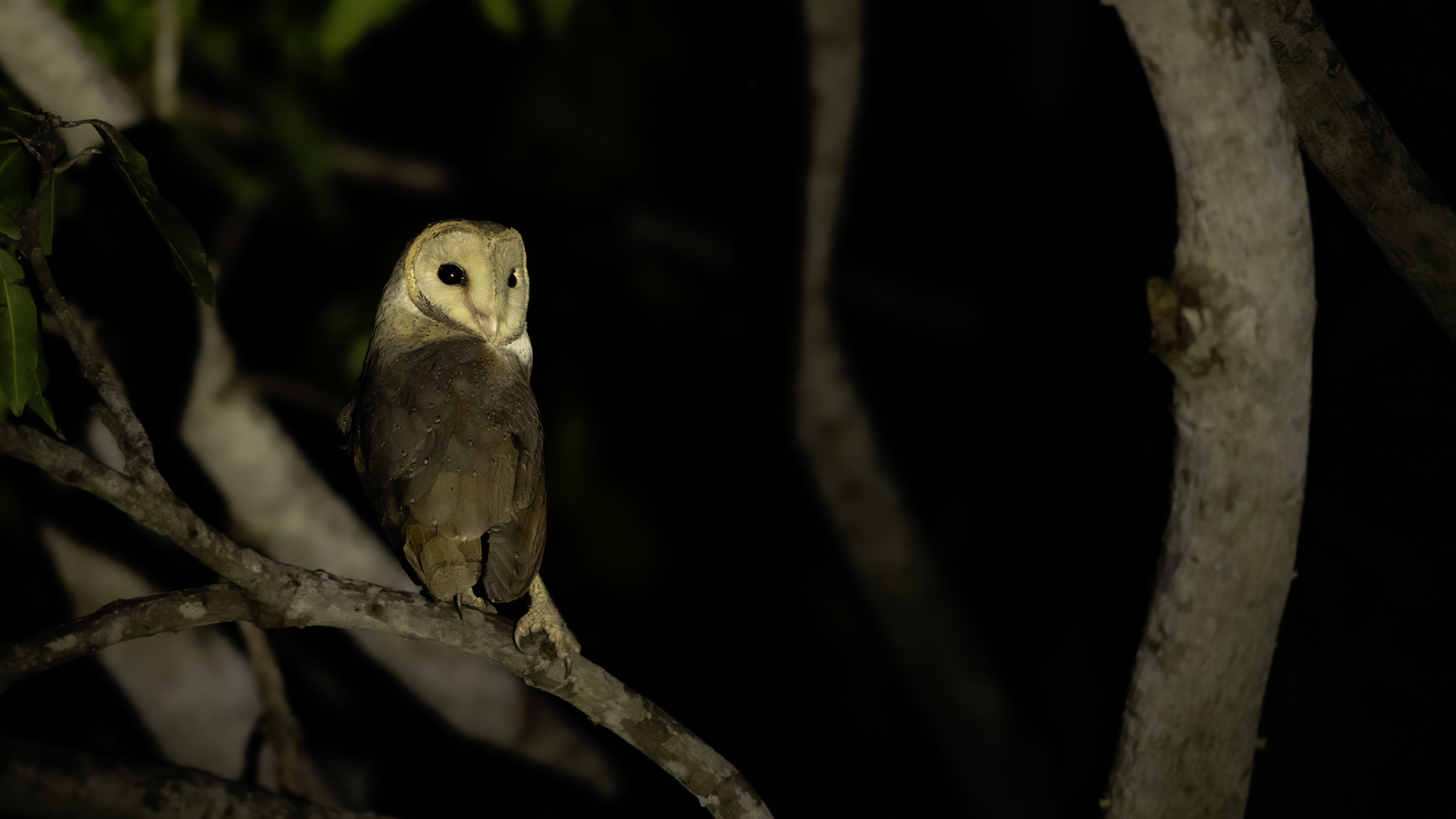
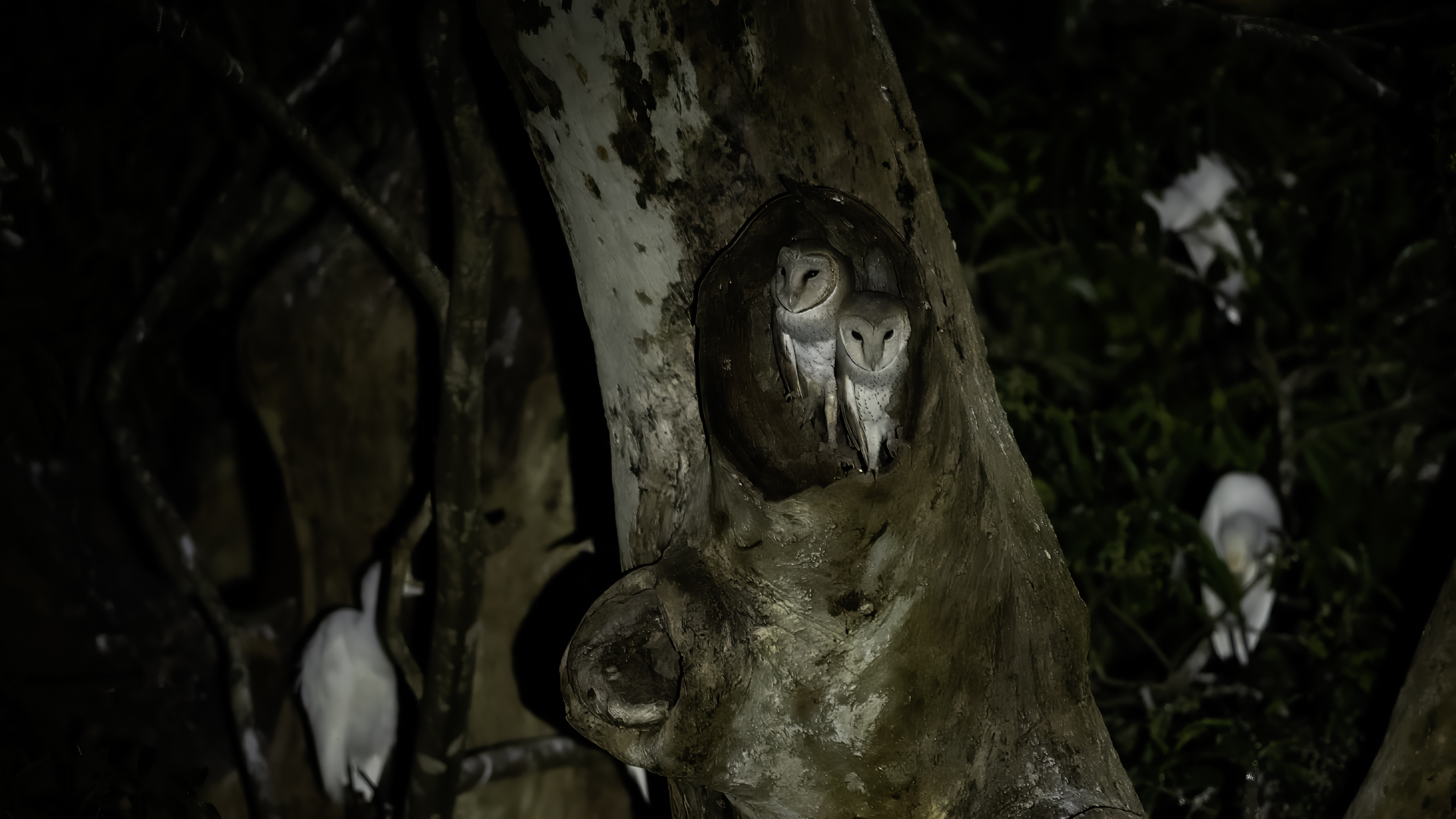
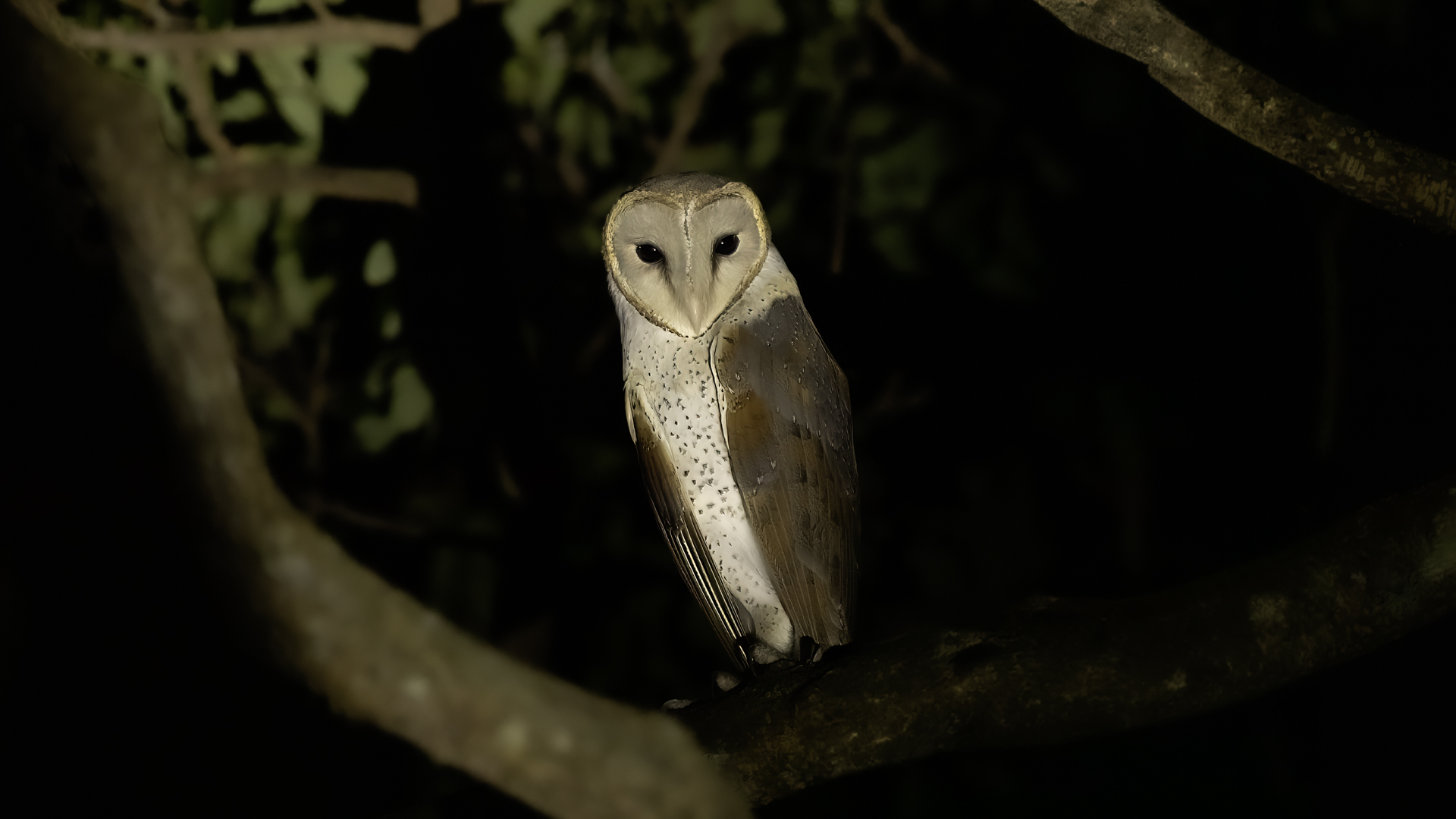
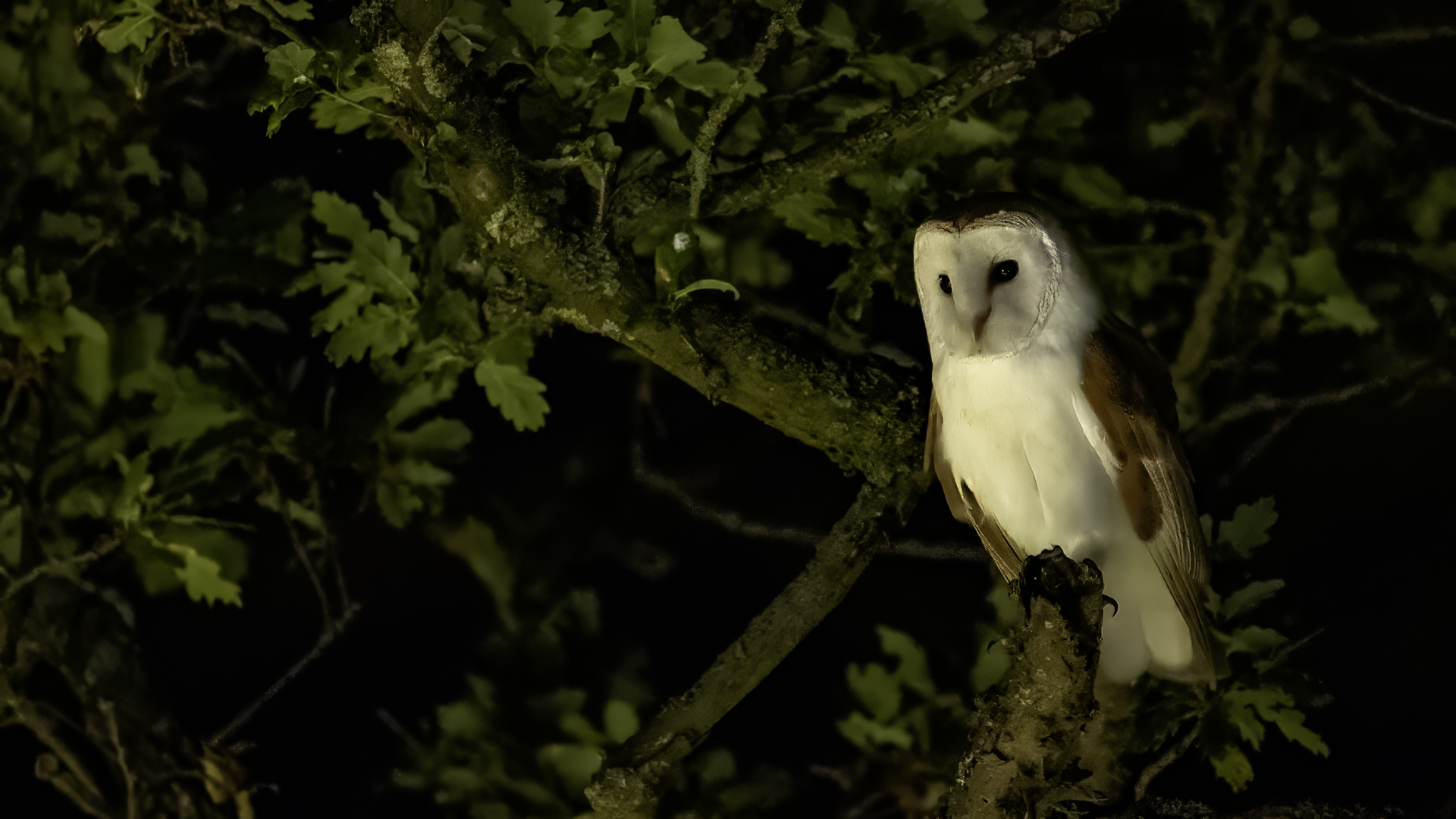
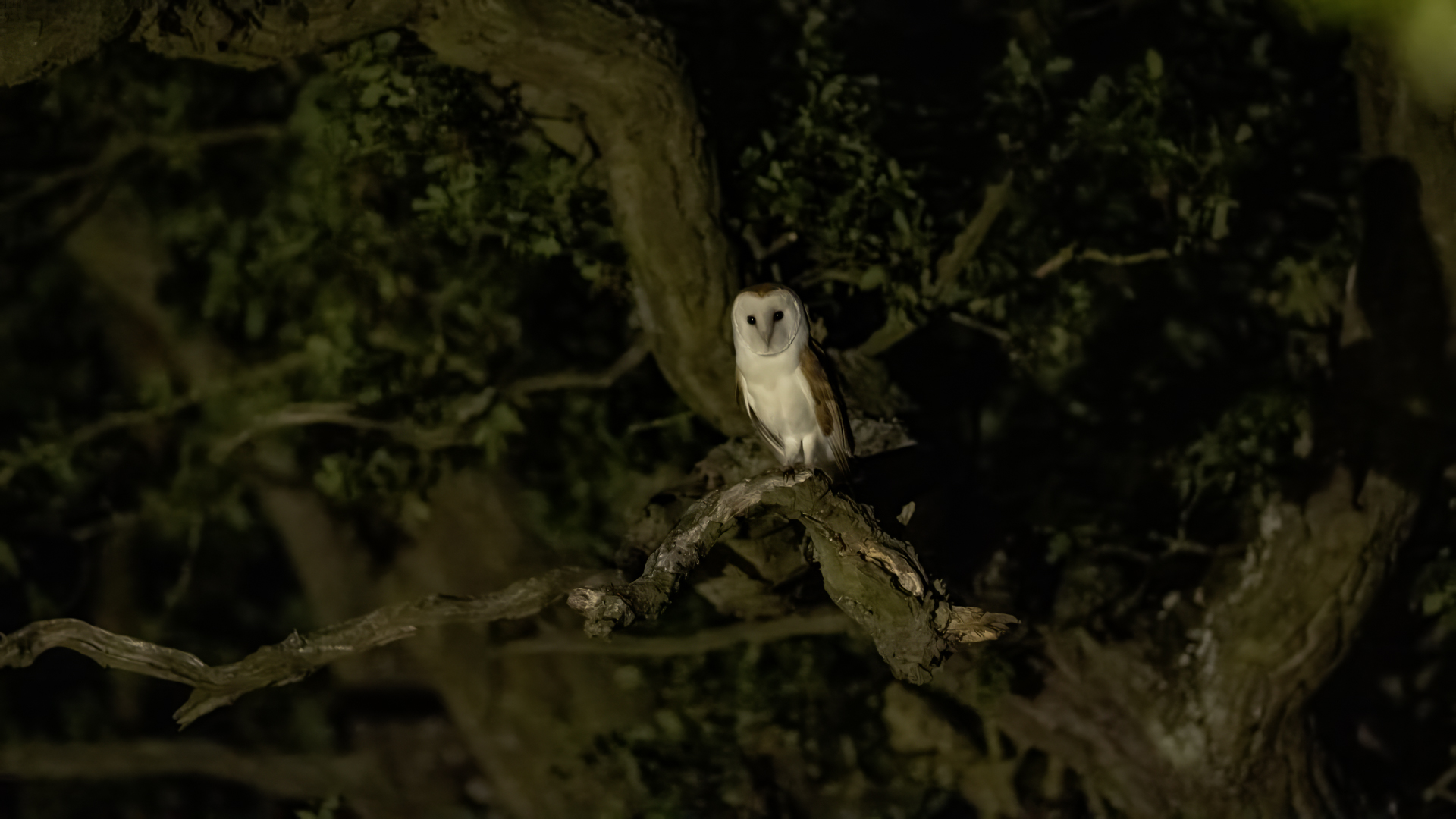
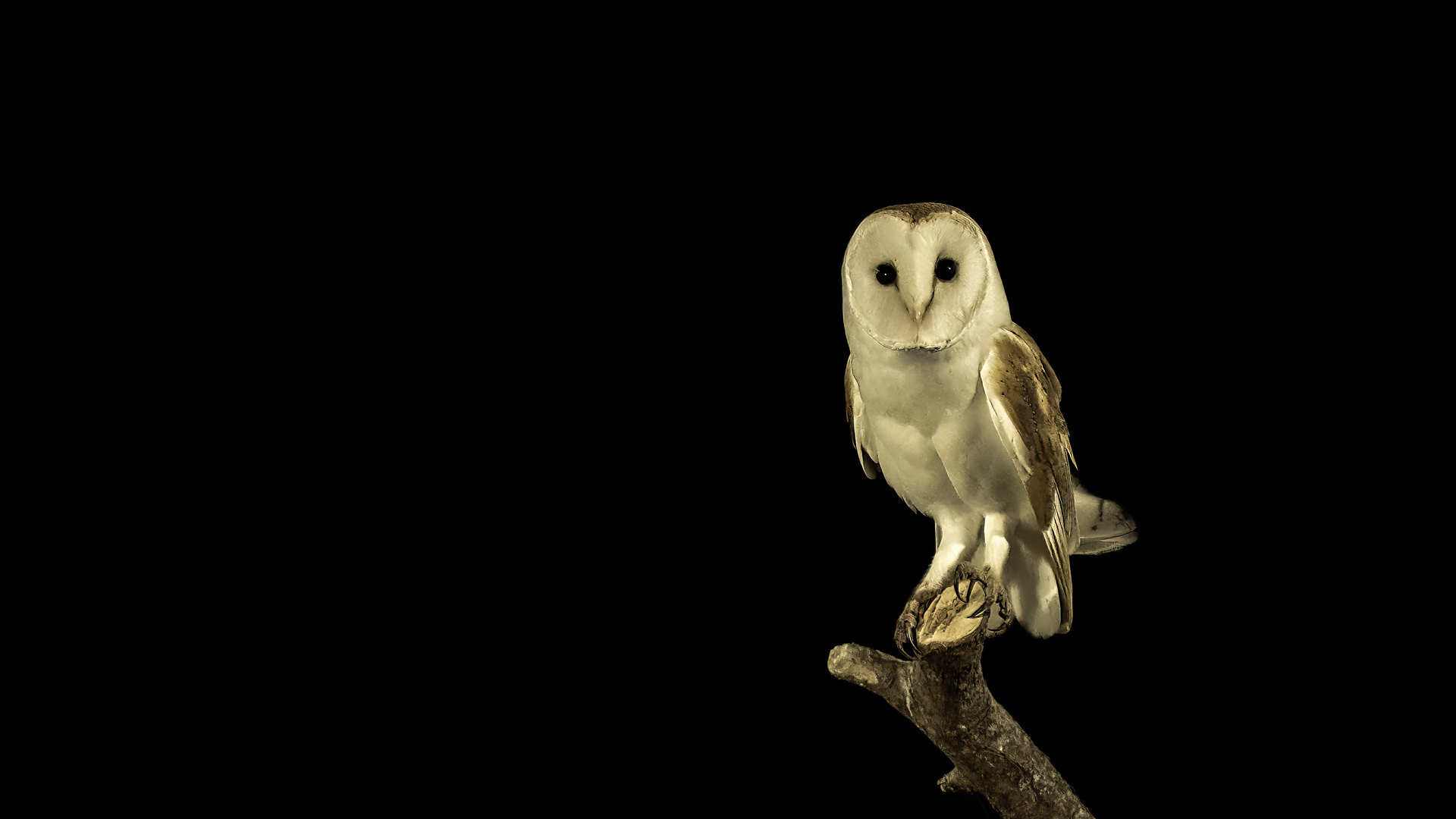
1.Sri Lanka Junglefowl (T,V). 2.Ceylon Magpie (V). 3.Barn Owl (T). 4.Indian Peafowl (T,V). 5.Spot-winged Thrush. 6.Sri Lanka White-eye 7.Ceylon Grey-Hornbill (V). 8.Brown Fish Owl (T). 9.Great Thick-knee(V). 10.Sri Lanka Spurfowl (V) 11.White-bellied Sea-Eagle (T).12.Green-billed Coucal. 13.Sri Lanka Hanging-Parrot (T). 14.Jungle Owlet (T,V). 15.Tricolored Munia (V). 16. White-breasted Waterhen(V). 17.Greater Coucal(V). 18.Crested Hawk-Eagle (V). 19.Serendib Scops-Owl. 20. Ceylon Frogmouth. 21.Painted Stork. 22.Indian Pond Heron. 23.Spot-billed Pelican. 24.White-browed Fantail. 25.Yellow-browed Bulbul. 26.Black Bulbul(V). 27.Alexandrine Parakeet(V). 28.Orange-billed Babbler(V). 29.Sri Lanka Green-Pigeon. 30.Tickell's Blue-Flycatcher. 31.Red-faced Malkoha. 32.Oriental Darter. 33.Crimson-backed Flameback. 34.Red-vented Bulbul. 35.Crimson-backed Flameback.36.Brown-capped Babbler. 37.Indian Scops-Owl. 38.Yellow-eared Bulbul (V). 39.Ashy-headed Laughingthrush. 40.Sri Lanka Drongo. 41. Chestnut-backed Owlet. 42.Chestnut-headed Bee-eater. 43.Layard's Parakeet. 44.Jerdon's Leafbird. 45.White-bellied Drongo. 46.Asian Paradise-Flycatcher. 47.Cinnamon Bittern. 48.Rosy Starling. 49.Brown-headed Barbet. 50.Pin-tailed Snipe. 51.Jerdon's Bushlark. 52.Malabar Pied-Hornbill. 53.Stork-billed Kingfisher. 54.Sri Lanka Woodshrike. 55.White-rumped Munia. 56.Black-headed Ibis. 57.Plain Prinia. 58.Yellow-billed Babbler. 59.... Pied Cuckoo. 60.Brown Wood-Owl. 61.Kashmir Flycatcher. 62.Yellow-wattled Lapwing. 63.Sri Lanka Swallow. 64.Little Swift. 65.Malabar Trogon(T). 66.Indian Thick-knee. 67.Long-billed Sunbird. 68.Forest Wagtail. 69.Sri Lanka Wood-Pigeon(T). 70.Indian Robin. 71.Whiskered Tern. 72.Asian Koel. 73.Shikra. 74.Indian Pita. 75.Ashy Prinia. 76.Indian Cormorant. 78.Ashy-crowned Sparrow-Lark. 79.Orange-breasted Pigeon. 80. Gray-bellied Cuckoo. 81. Small Pratincole. 82.Dark-fronted Babbler. 83. Brown-breasted Flycatcher. 84.Yellow-fronted Barbet. 85.Purple-rumped Sunbird. 86.Barred Buttonquail. 87.Green Imperial Pigeon. 88.Clamorous Reed Warbler. 89.Jungle Prinia. 90.Common Iora. 91.Lesser Yellownape. 92.Purple Sunbird. 93.Crested Serpent Eagle. 94.Crested Honey Buzzard.95.Grey-headed Swamphen (T).
MAMMALS:
1.Sri Lankan elephant. 2.Chital. 3.Indian hare. 4.Tufted Gray Langur. 5.Toque macaque. 6.Indian palm squirrel (V). 7.Grizzled giant squirrel. 8.Yellow-striped chevrotain.9.Wild water buffalo. 10.Ruddy mongoose. 11. Golden jackal.
REPTILES::
1.Sri Lankan kangaroo lizard. 2.Green forest lizard. 3. Saltwater crocodile. 4.Sri Lanka Agama. 5.Sri Lankan pit viper(T). 6.Bengal monitor. 7.Asian water monitor. 8. Indian rat snake.
Changes in galleries:
BIRDS:
1.Purple Heron. 2.Red-wattled Lapwing (V), 3.Rose-ringed Parakeet (V), 4.Oriental Magpie-Robin (V). 5.Black-hooded Oriole(V), 6 Brahminy Kite. 7.Blue-tailed Bee-eater(T). 8.Flame Minivet. 9.Spotted Dove(V). 10.Emerald-Dove. 11.Common Myna. 12.Asian Openbill. 13.... Pied Kingfisher. 14.Brown Shrike. 15.Nutmeg Mannikin. 16.White-throated Kingfisher. 17.Pheasant-tailed Jacana. 18.Lesser Whistling-Duck. 19. Great Egret. 20.Intermediate Egret. 21.Indian Roller. 22.Eurasian Spoonbill. 23.Yellow Bittern. 24.Common Tailorbird. 25.Grey-headed Canary-Flycatcher. 26.Ashy Woodswallow. 27.Coppersmith Barbet. 28.Little Egret. 29.Common Kingfisher. 30.House Sparrow(T). 31.Woolly-necked Stork. 32.Barn Swallow. 33.Richard's Pipit. 34.Common Redshank. 35.Marsh Sandpiper. 36.Little Stint. 37.Black-crowned Night Heron. 38.Caspian Tern. 39.Little Green Bee-eater(T). 40.Zitting Cisticola. 41.Grey heron.42.Little Cormorant. 43.Black-capped Bulbul. 44.Large-billed Crow(V). 45.Pied Bushchat 46.Gray-breasted Prinia.47.Baya Weaver.
MAMMALS:Indian flying fox (V).
Sri Lanka FAUNA Sri Lanka FLORA Sri Lanka FLOWERS Landscape of Sri Lanka Sri Lanka- slideshow